 Open now · 24/7 ·

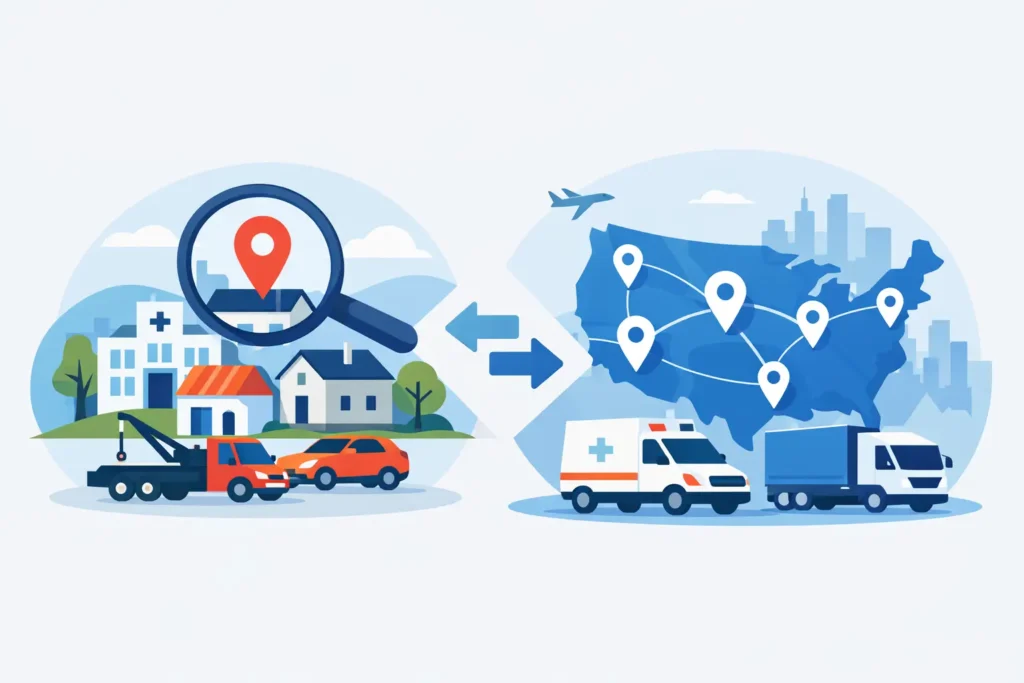
There are two ways to get help when your car breaks down. You can pay a yearly fee for breakdown cover, or you can call a local recovery firm and pay for that one job. Neither is right for everyone.
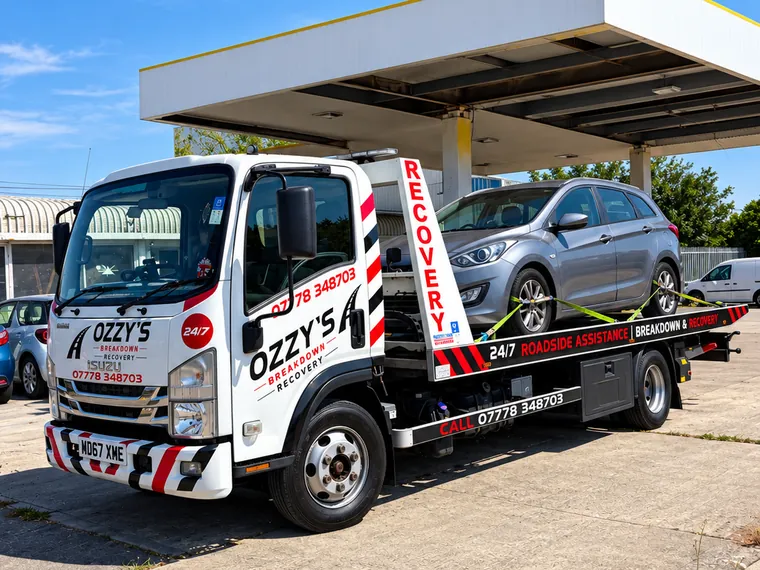
How breakdown cover works
You pay every year, whether you break down or not. When you call, the provider sends a patrol or a contractor. They try to fix the car at the roadside, and recover it if they can’t. How far they take it, and whether they come to your home, depends on the level of cover you bought.
How paying per job works
There’s no fee and nothing to join. You call when you need help, agree a price and pay for that job only. Our call-out prices start from £75 for a small car and £60 for a jump start. See our starting prices.
When breakdown cover makes sense
- You drive a lot of miles, or often travel a long way from home.
- Your car is older and breaks down more than you’d like.
- You want someone to try a roadside repair first.
When paying per job makes sense
- You mostly drive locally and rarely break down.
- Your car is newer, or it’s a second car that doesn’t do many miles.
- You have cover, but the wait you’ve been given is too long.
- Your cover doesn’t include what you need, such as a breakdown at home or delivery to the garage you choose.
After an accident
Your insurer may arrange the recovery, but you can usually choose your own firm. Read who pays for recovery after an accident.
Can you use both?
Yes, plenty of our customers have breakdown cover and still call us when they need the car moved quickly, or taken somewhere their cover won’t go.
If you’re near Reading and need help, call 07778 348703. We’ll tell you the price and how long we’ll be, and you can decide from there.
Still deciding? Then read our Google reviews – our customers rate us 5.0.
Why drivers choose Ozzy’s
Ozzy’s Breakdown Recovery is a local, fully insured 24/7 emergency vehicle recovery and rescue company covering Berkshire, South Oxfordshire, Hampshire and Surrey. Call 07778 348703 for a free quote – we’re usually with you in 30–45 minutes.
Fully insured
Public liability and vehicle in transit insurance. You are covered.
Free quote first
You know the price before we set off. No membership and no monthly fee.
30–45 minute response
Usually with you in 30–45 minutes, day or night, every day of the year.
Local emergency recovery near you
Emergency recovery and vehicle rescue near you, across Berkshire, South Oxfordshire, Hampshire and Surrey, day and night. Wherever you’ve broken down, call – we can help.
Any car, van or bike
A solution for every car, every light commercial vehicle and every van – up to 3.5 tonnes GVW.
Pay your way
Card payment link, Klarna pay in 3 or Clearpay pay in 4.
Every recovery service we offer – one call covers them all
Broken down? Don’t get stranded. Call 07778 348703 now, get your free quote and get moving – we’re usually with you in 30–45 minutes, day or night. We can take your vehicle anywhere in the UK.
- Emergency recovery – broken down and need help now? We come out day and night.
- Emergency towing – a tow truck when you need one, 24/7.
- Vehicle rescue – stuck, stranded or can’t move safely.
- Roadside recovery – we load your vehicle where it has stopped.
- Towing service – cars, vans and motorbikes on our flatbed tow truck.
- Breakdown recovery near me – send your location and we come to you.
- Tow truck near me – local towing, day and night.
- Breakdown recovery – car stopped at home, at work or at the roadside? Call-out from £75.
- Car towing and tow truck service – we move your car to a garage, your home or any address in the UK.
- Roadside assistance – help where you’ve stopped, day or night.
- Jump starts and flat battery call-outs – from £60.
- Car won’t start? We come to you, and take it to a garage if it still won’t go.
- Accident recovery – damaged cars loaded carefully with a winch and wheel skates. From £150.
- Motorcycle and motorbike recovery – strapped down properly on our truck. Call-out from £85.
- Van and light commercial vehicle recovery – up to 3.5 tonnes GVW. Call-out from £110.
- Electric vehicle (EV) recovery – carried on our flatbed with all four wheels off the road.
- Flatbed recovery and vehicle transport – for low, classic, sports and non-running cars.
- Flat tyre recovery – no spare? We take the car to a tyre shop you choose.
- Stuck, non-runner and winch-out recovery – won’t roll, locked wheels or stuck in mud.
- Campervan and motorhome recovery – call us for a price.
- Motorway recovery – M4, M3 and M25. From £150.
- 24 hour breakdown recovery – nights, weekends and bank holidays.
- Pay as you go breakdown cover – no membership. Pay only when you need us.
- Business and fleet recovery – for company cars and vans.
We cover Berkshire, South Oxfordshire, Hampshire and Surrey. Not sure what you need? Call 07778 348703 and tell us what’s happened – we can help. You can also see our starting prices.