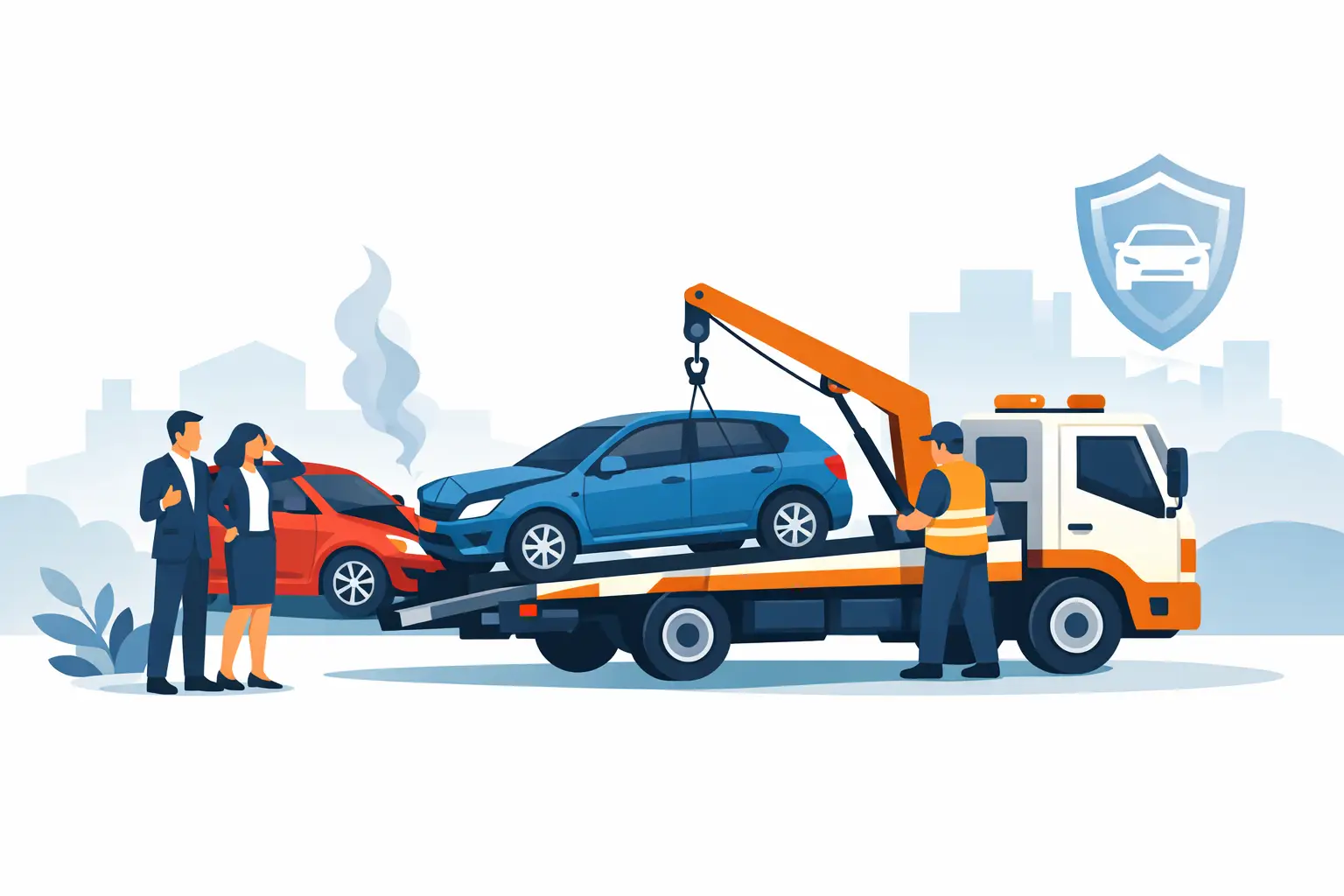
A collision on the M4, M25 or a busy Berkshire road leaves little time to weigh up paperwork. You need the vehicle moved safely, away from danger, and you need to know who pays accident vehicle removal before a recovery bill or storage charge becomes another problem. The short answer is that the driver arranging recovery often pays first, but an insurer may reimburse the cost depending on the policy, the circumstances and who was at fault.
The right move is never to leave a damaged vehicle in an unsafe position while you argue over payment. Get everyone to safety, contact the emergency services where needed, and arrange professional recovery. Keep every receipt, take photographs and tell your insurer as soon as you reasonably can.
Who pays for accident vehicle removal in the UK?
Payment depends on how the recovery was arranged and the type of cover in place. If you call a recovery company yourself, you are usually responsible for settling that provider directly at the time of collection or under its agreed terms. You can then claim the reasonable cost back through your insurance, provided your policy covers accident recovery.
With comprehensive motor insurance, accident recovery is commonly included or available as an add-on. Your insurer may send its own approved recovery operator, arrange transport to a repairer, or ask you to use a specified service. In that case, the insurer will normally deal with the recovery invoice directly, subject to your policy conditions.
Third-party-only cover is different. It generally does not pay to recover or repair your own vehicle after an accident, even where another driver caused the collision. You may have to pay for removal yourself and recover the cost later from the at-fault driver’s insurer. That can take time, so do not assume another driver saying “it was my fault” is enough to guarantee immediate payment.
Third-party, fire and theft insurance may also leave accident recovery out unless it is covered separately. Check your policy wording or call your insurer before agreeing to non-essential work. In an urgent roadside situation, though, safe removal comes first.
If another driver caused the accident
Where evidence shows another road user was responsible, their insurer may ultimately meet reasonable recovery, storage and repair costs. The key word is ultimately. Their insurer needs to investigate the claim, review the circumstances and accept liability. Until that happens, your own insurer, legal expenses cover or you personally may need to arrange payment.
If you have comprehensive cover, claiming through your own insurer can be the quickest route to getting home and getting the vehicle assessed. Your insurer may later recover its costs from the other party’s insurer. Your excess may be refunded if recovery from the at-fault party is successful, but this is not automatic and can take time.
Avoid agreeing private payment arrangements at the roadside. Exchange details, gather evidence and let insurers deal with liability. A polite promise to pay is not the same as an accepted insurance claim.
When police arrange accident vehicle removal
Police or highway authorities can arrange for a vehicle to be removed when it is abandoned, obstructing traffic, unsafe to leave in place, or involved in a serious incident. This is particularly likely on motorways and fast roads where a damaged vehicle presents an immediate risk.
That removal is not usually free. The registered keeper may be charged statutory removal and storage fees, even if the vehicle was undriveable through no fault of their own. If the police have taken the vehicle, ask where it has been moved, what documents you need to collect it and when charges begin to increase.
Do not delay. Storage fees can build daily, and collecting a vehicle from a police-appointed compound may require proof of identity, proof of ownership, insurance and payment of the applicable charges. Your insurer may cover those costs under the policy, but you should confirm this rather than assume.
If you can safely arrange independent recovery before authorities need to remove the vehicle, you may have more choice over where it goes. It can be taken home, to a trusted garage, a bodyshop or another suitable location. That choice matters if the vehicle has axle damage, is a non-runner or needs specialist handling.
Recovery cover, insurance cover and roadside assistance
These products can overlap, but they are not identical. Breakdown cover may include recovery after an accident, but some policies restrict this or only provide limited transport. Motor insurance may cover accident recovery but require you to notify the insurer promptly. A bank account or vehicle warranty may include roadside assistance, yet exclude collision-related work.
Before authorising a recovery, ask three clear questions: is accident recovery included, must you use an approved operator, and where is the vehicle permitted to go? A policy may pay for transport to the nearest suitable repairer but not a long-distance journey home. It may also cap the amount payable.
If the situation is urgent and you cannot get through to your insurer, use a professional local recovery service and retain the invoice. Explain to the operator that the vehicle is accident-damaged, especially if wheels are misaligned, tyres are damaged, airbags have deployed or the vehicle is electric. A standard tow is not always appropriate.
Why the cheapest option can cost more
A low quote can become expensive if it does not include loading, mileage, out-of-hours attendance, safe handling of a damaged wheel, or delivery to your chosen destination. Ask what is included before the vehicle is moved. You should also ask whether storage applies if a garage is closed.
For electric vehicles, make sure the recovery provider can handle EVs correctly. If there is battery damage, smoke, heat or a warning from the vehicle, tell the operator and emergency services immediately. These cases need extra caution and may require specific handling or a suitable holding area.
What to do at the scene before recovery arrives
First, make the scene as safe as possible. Switch on hazard lights if it is safe to do so, move people away from traffic and call 999 if anyone is injured, there is danger from fuel or fire, or the road is blocked. On a motorway, follow the guidance given by emergency services or National Highways and do not remain in the vehicle unless it is unsafe to leave.
Take photographs of vehicle positions, damage, road markings, number plates and relevant signs where safe. Exchange names, addresses, registration numbers and insurer details with the other driver. Note the time, location, weather and any witnesses. This evidence can help establish liability and support your recovery-cost claim.
Then contact your insurer or recovery provider. Be ready to give an accurate location, such as the road name, junction number, motorway direction of travel or a nearby landmark. Mention whether the vehicle can roll, steer or brake, and whether it is carrying passengers, business equipment or a motorcycle. Clear information helps send the right recovery vehicle first time.
Keeping accident removal costs under control
There is no benefit in waiting until the next day if the car is in an unsafe place or sitting in chargeable storage. Prompt action usually gives you more control over the destination, the recovery method and the evidence needed for an insurance claim.
Keep the recovery invoice, payment confirmation, photographs and all correspondence. If you paid yourself, submit the claim quickly and describe why immediate removal was necessary. Insurers are more likely to query costs that appear excessive, avoidable or unrelated to the collision, so a clear paper trail matters.
For company vans and light commercial vehicles, include the cost of recovering tools or stock if necessary, but do not assume every business loss is covered. Fleet policies differ, and downtime cover is often separate from vehicle recovery. Your priority is to get the vehicle, driver and any cargo to a secure place without creating further risk.
A crash is stressful enough without being stranded beside a live lane or worrying about an unsuitable tow. If your vehicle is damaged and cannot be driven, arrange safe recovery straight away, ask for the full cost before collection, and let the insurer deal with the claim once you are out of danger. Ozzy’s Breakdown Recovery provides 24/7 accident recovery across Berkshire, South Oxfordshire and nearby motorway routes, with professional handling when you need a vehicle moved quickly and carefully.
Leave a Reply