

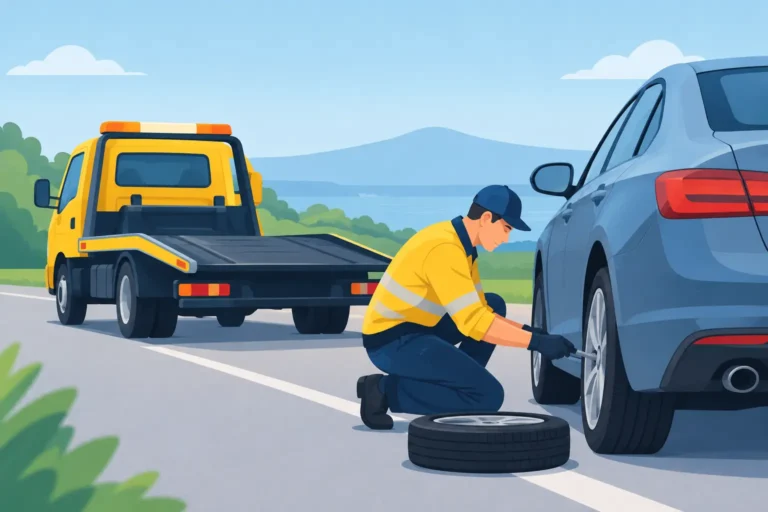
Ozzy's Breakdown Recovery

Category: Uncategorised

  • Breakdown Recovery Bracknell When You Need Help

    Breakdown Recovery Bracknell When You Need Help

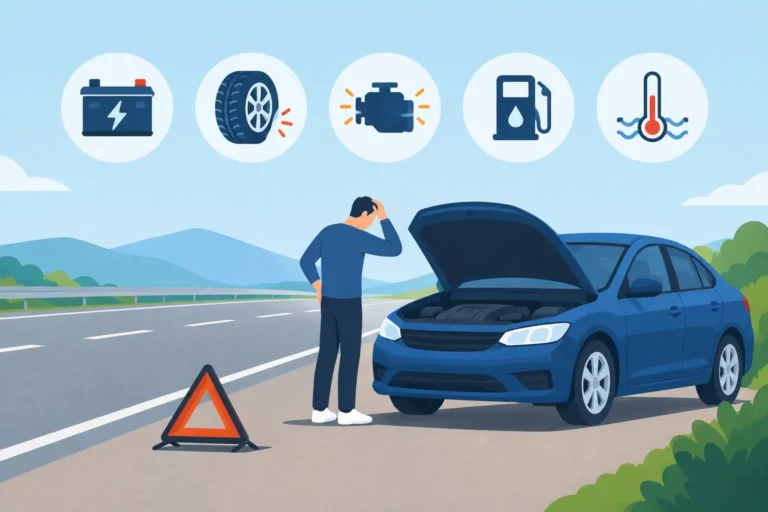
    A warning light on the A329(M), a flat battery outside The Lexicon, or a van that will not restart before an early delivery can throw the whole day off course. For fast, professional breakdown recovery Bracknell motorists can depend on, the priority is simple: get you safe, establish what your vehicle needs, and get it moving or recovered without unnecessary delay.

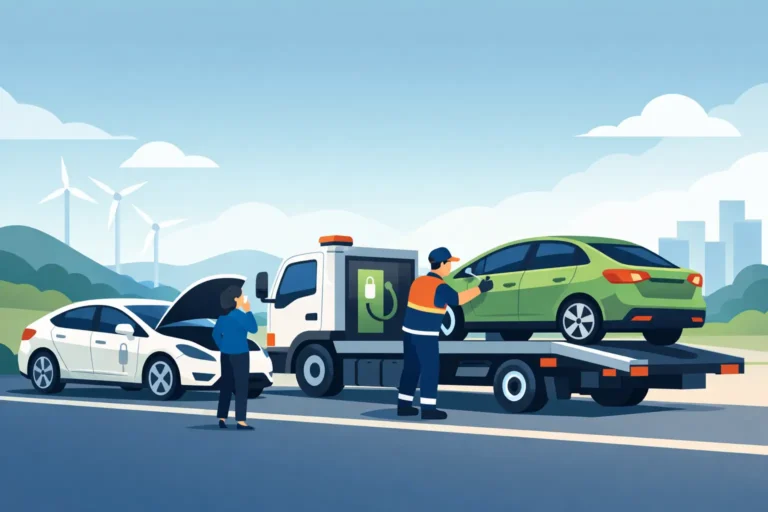
    Ozzy’s Breakdown Recovery provides 24/7 roadside assistance and vehicle recovery for drivers in Bracknell and the surrounding Berkshire road network. Whether you are stranded at home, in a car park, on a busy local road or close to the M3 and M4 corridors, our trained recovery team is ready to help.

    Fast Breakdown Recovery in Bracknell, 24/7

    Breakdowns rarely happen at a convenient time. A car may fail to start on a cold morning, overheat in traffic, suffer a puncture, or develop a fault that makes it unsafe to continue. The right response depends on the situation, but waiting somewhere exposed or attempting a risky repair is never the answer.

    Our aim is to reach local callouts as quickly as possible, with typical response times of 30 to 45 minutes where traffic, weather and location allow. We keep you updated, ask the right questions before setting off, and arrive with suitable recovery equipment rather than leaving you to arrange several different services.

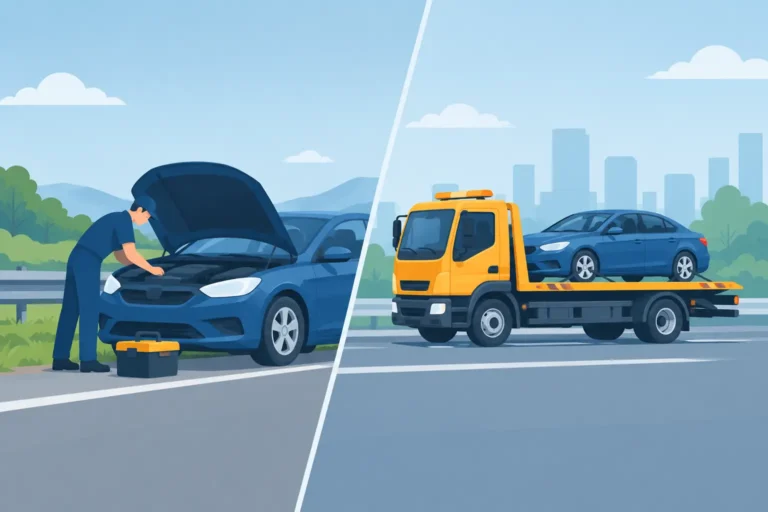
    If the fault can be dealt with safely at the roadside, we will do what we can to get you going. If it cannot, we can transport your vehicle to a garage, your home, a workplace or another agreed destination. There is no need to guess whether your vehicle is safe to drive – we will help you make the practical next decision.

    What to do while you wait

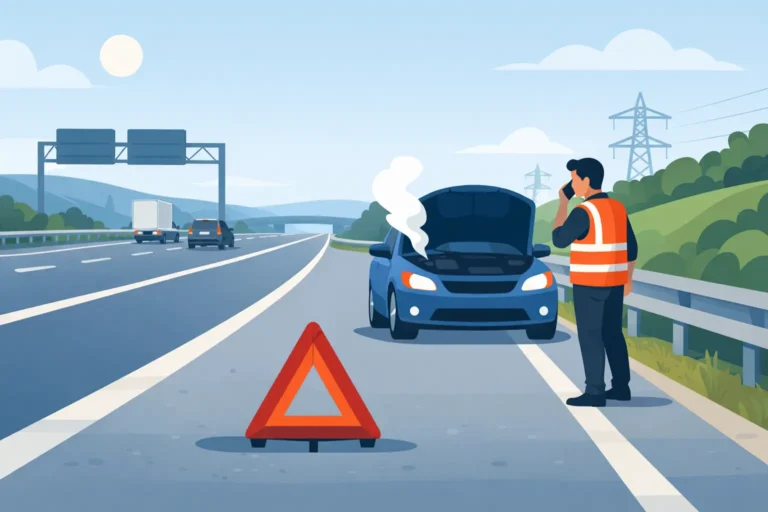
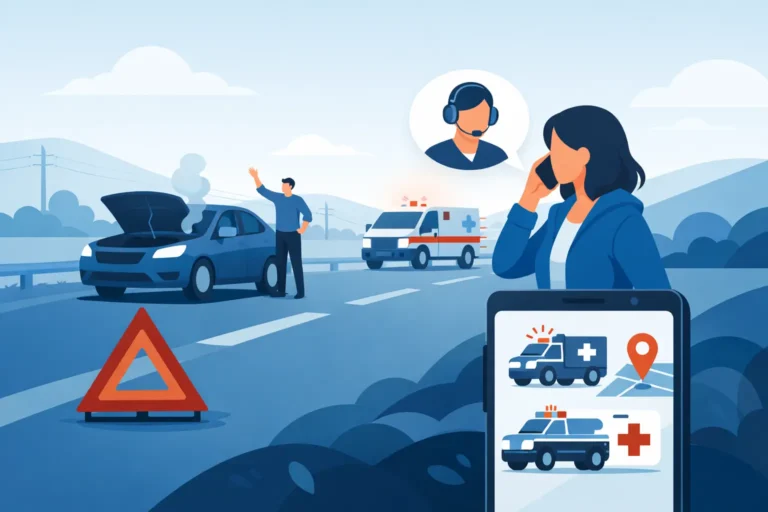
    First, get yourself and any passengers somewhere safe. If possible, move the vehicle out of live traffic, switch on your hazard lights and keep well away from passing vehicles. On a motorway or major dual carriageway, follow official safety guidance and do not remain in a dangerous position.

    When you call for recovery, tell us your exact location, vehicle registration, make and model, what has happened, and whether the vehicle can roll or steer. Mention any warning lights, accident damage, flat tyres or EV battery concerns. Clear information helps us send the right vehicle and equipment first time.

    Roadside Assistance for Cars, Vans and Motorcycles

    A straightforward breakdown is not always straightforward once a recovery vehicle arrives. A low car, automatic vehicle, motorcycle, loaded van or vehicle with damaged wheels needs to be handled correctly. Improper towing or loading can create further damage, which is exactly what a good recovery service should avoid.

    We assist with everyday roadside problems including jump starts, flat batteries, non-starting vehicles, punctures and mechanical faults. We also recover cars that cannot safely be repaired at the roadside. If you have run out of fuel, have a suspected electrical issue or have been advised not to drive following a dashboard warning, call before taking chances with the vehicle.

    For van drivers and small businesses, downtime costs more than an inconvenient journey. A disabled work van can mean missed jobs, delayed deliveries and customers left waiting. Our commercial vehicle recovery service is designed to get your vehicle moved promptly and safely, helping you get a repair plan in place with as little disruption as possible.

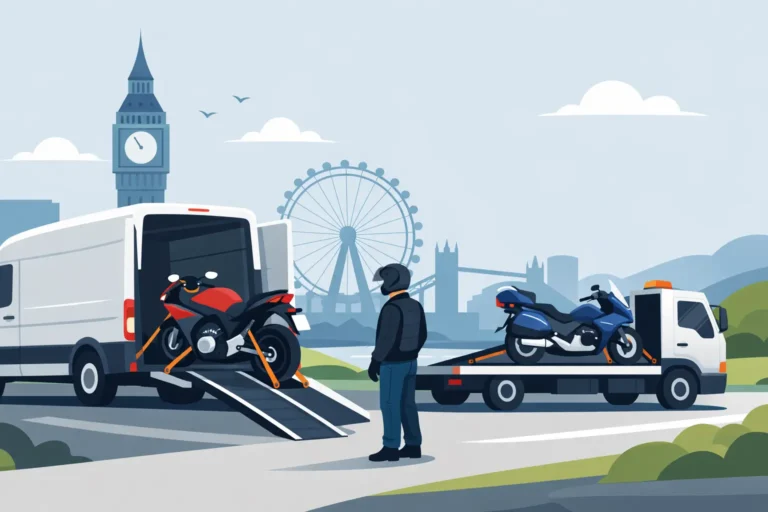
    Motorcycle recovery requires secure loading and proper restraint, not a makeshift solution. We can recover motorcycles with care, whether the issue is a mechanical breakdown, a puncture, accident damage or a bike that simply will not start.

    Accident and Specialist Vehicle Recovery

    After an accident, the condition of a vehicle is often unclear. Even when the damage looks minor, a wheel, steering component, suspension part or underbody panel may be affected. Driving away can make the problem worse and may put you or other road users at risk.

    We provide accident recovery across Bracknell for vehicles that need professional transport after a collision. Our team can recover cars, vans and motorcycles carefully, then take them to a repairer, secure location, home address or other destination you choose. If the vehicle has axle damage, wheel damage or cannot roll freely, tell us when you call. Specialist loading arrangements may be needed, and sending the right recovery vehicle matters.

    Non-runners are another common reason to arrange recovery. Perhaps a car has been sitting on a driveway, failed an MOT and cannot be driven legally, or needs transporting to a specialist garage. Planned recovery is just as useful as an emergency callout when you need reliable vehicle transport without adding mileage or risk.

    Electric vehicle recovery with the right care

    Electric vehicles have their own recovery considerations. A flat drive battery, charging fault, warning message or accident can leave an EV unable to continue, and not every recovery method is suitable for every vehicle. The vehicle should be moved in line with the manufacturer’s requirements, particularly where the driven wheels and battery system are concerned.

    Our team can arrange EV-compatible recovery in and around Bracknell. Let us know that your vehicle is electric or hybrid, whether it is charging, and whether there has been any impact damage or warning message. This allows us to plan the safest method of transport from the outset.

    Local Knowledge Makes a Difference

    Bracknell traffic can change quickly around the town centre, business parks, the A322, A329(M) and routes towards Wokingham, Reading, Ascot and the M3. A recovery service that understands the area can ask better location questions and choose the most practical approach to reach you.

    We support drivers across Berkshire and beyond, including those travelling through the area rather than living locally. You may be on the way to work, heading home after a late shift, taking children to school or carrying tools for a job. The reason for the journey does not change the need for a calm, capable response.

    Our recovery vehicles and dedicated tools allow us to deal with a wide range of callouts without treating every problem as the same. That means sensible advice, safe loading and clear communication from the moment you call until your vehicle is where it needs to be.

    Why Call a Professional Recovery Service?

    Trying to push a vehicle off a busy road, using an unsuitable tow rope or driving with a serious warning light can turn a manageable breakdown into a more expensive problem. Professional recovery protects the vehicle, reduces risk at the roadside and gives you a clear route forward.

    It is also worth considering the destination before recovery begins. A local garage may be the best option during opening hours, while home recovery can make more sense overnight. If you are travelling from outside Bracknell, you may prefer the vehicle taken nearer to your usual repairer. We will work with the destination that suits your circumstances where practical.

    For urgent help, call Ozzy’s Breakdown Recovery and give us the key details of your location and vehicle. Keep your phone charged if you can, stay in a safe place and leave the recovery to a team equipped to handle it. One quick call can turn a stressful roadside stop into a safe plan for getting home, getting repaired and getting back on the road.

  • Jump Start or Battery Replacement? Know the Signs

    Jump Start or Battery Replacement? Know the Signs

    A car that will not start can turn an ordinary journey into a stressful stop, especially on the M4, M25, M3 or a busy local road. The immediate question is usually jump start or battery replacement: can the vehicle be safely started and driven, or has the battery reached the end of its working life? The right answer depends on what caused the flat battery, how the car behaves after a boost, and whether there could be another fault behind it.

    At Ozzy’s Breakdown Recovery, we provide fast, reliable 24/7 roadside assistance across Berkshire, South Oxfordshire and surrounding areas. If you are stranded, the priority is getting you safe first, then assessing the most practical next step for you and your vehicle.

    When a jump start may be enough

    A jump start can be the right solution when the battery has simply been drained by something temporary. Leaving interior lights, headlights or an accessory on can flatten even a healthy battery. Cold weather can also make it harder for a battery to deliver enough power to start the engine, particularly if it was already partly discharged.

    You may only need a jump start if the car was running normally before it was parked, there are no ongoing electrical problems, and the engine starts cleanly once power is supplied. After a successful start, a reasonable drive may allow the alternator to put some charge back into the battery. However, this is not a guarantee that the problem has gone away.

    A jump start gets the engine running. It does not repair a worn battery, a charging fault or an electrical drain. Treat it as a useful roadside solution, but pay attention to what happens next.

    Signs the battery was temporarily flat

    A one-off flat battery is more likely where you can identify a clear cause, such as a door not shutting properly and leaving a cabin light on. The vehicle may have started without hesitation in recent days, and it should restart normally after being driven.

    If the engine restarts later the same day and again the following morning, the battery may have recovered well enough. Even then, it is sensible to keep an eye on it, particularly before a long trip, an early work journey or travel during colder months.

    When battery replacement is the safer choice

    A battery replacement is often the better option when flat starts keep happening or the battery is showing its age. Most car batteries do not last forever. Their life can be shortened by short journeys, winter temperatures, frequent stop-start driving and high electrical demand from heated screens, lights and in-car technology.

    If you have needed more than one jump start within a short period, do not assume another boost will solve it. Repeatedly relying on a jump start can leave you stranded again at the least convenient time, whether that is outside your home, in a car park or on a motorway route.

    Common warning signs include slow cranking when starting, dim dashboard lights, electrical functions behaving erratically, a battery warning light, or a vehicle that starts after a boost but will not restart once switched off. A swollen or leaking battery is a clear reason not to continue using it. Keep away from it and arrange professional help.

    The age of the battery matters

    If the battery is several years old and has become unreliable, replacement is usually more sensible than repeated callouts. You may not know exactly when it was fitted, particularly with a used vehicle, but a garage can check its condition and charging performance.

    It is also worth remembering that a new battery will not fix every no-start fault. A failing alternator may not be charging the battery while you drive. Corroded terminals, loose connections, a starter-motor problem or an electrical drain can produce similar symptoms. A professional assessment helps avoid spending money on a battery when another fault needs attention.

    Jump start or battery replacement: what should you do at the roadside?

    If your vehicle will not start, put safety ahead of speed. Move only if it is safe and possible to do so. Switch on your hazard warning lights, keep clear of moving traffic and do not stand between vehicles. On a motorway, use a place of safety where possible and follow the appropriate motorway safety guidance.

    Do not attempt a jump start if the battery casing is cracked, swollen, leaking or giving off a strong sulphur-like smell. Do not smoke or use naked flames nearby. If you are unsure about the correct jump points, battery type or cable connections, it is better not to guess. Incorrect connections can damage vehicle electronics and create a safety risk.

    Modern vehicles can be more sensitive than older cars. Start-stop systems, hybrids, vehicles with multiple batteries and electric vehicles may have specific recovery requirements. An EV’s 12-volt battery can still go flat, but its high-voltage system must never be handled as though it were an ordinary car battery. Professional, EV-aware recovery is the sensible option.

    Why a quick boost is not always the cheapest answer

    When you are late for work, collecting children or trying to get home, a jump start feels like the fastest fix. Often, it is. But the cheapest immediate option is not always the best value if the vehicle keeps failing to start afterwards.

    A battery that cannot retain charge can leave you needing another recovery callout within days. Equally, replacing a battery without checking the charging system can mean fitting a new one only for it to be drained by an alternator or wiring fault. The practical decision is based on the vehicle’s symptoms, battery condition and your plans for the next journey.

    For a one-off drain, a jump start and monitoring may be enough. For repeated failure, an older battery or visible battery damage, replacement and further checks are normally the safer route. If you cannot be confident the vehicle will restart, arranging recovery to a trusted garage can prevent further disruption.

    What to tell your roadside recovery provider

    Clear information helps a recovery team arrive prepared and saves valuable time. Tell them your exact location, the vehicle registration, make and model, and whether you are in a safe place. Mention whether the engine turns over, whether any warning lights are showing, and whether the battery has been jump started recently.

    If you drive a van, operate a business vehicle or are carrying tools, stock or passengers, say so when you call. Downtime matters, and the right recovery equipment and plan can make a difficult situation far more straightforward. Motorcycle, commercial vehicle, non-runner and EV callouts may require different handling from a standard car jump start.

    A good recovery service will focus on getting you out of danger, explain the realistic options clearly and handle your vehicle with care. Sometimes that means a quick roadside start. Other times, safe transport is the better decision.

    Avoiding another flat battery

    You cannot prevent every breakdown, but a few simple habits can reduce the chance of a flat battery. Make sure lights and accessories are switched off when leaving the vehicle, especially if you do short journeys. If the car is not used regularly, consider taking it for a proper run or using an appropriate battery maintainer.

    Have slow starting checked before it becomes a no-start. Clean, secure battery terminals and a healthy charging system make a real difference. Before a longer journey, particularly in winter, do not ignore warning lights or an engine that is becoming harder to start.

    If your car will not start, do not let uncertainty make the situation worse. A fast, professional assessment can establish whether a jump start will get you moving or whether battery replacement or recovery is the safer next move. Keep yourself safe, share your location clearly and get help before a small battery problem becomes a longer delay.

  • When You Need Axle Damage Vehicle Transport

    When You Need Axle Damage Vehicle Transport

    A damaged axle can turn a short journey into an immediate roadside problem. If a wheel is sitting at the wrong angle, the vehicle is pulling sharply, making loud grinding noises, or simply will not move, axle damage vehicle transport is the safe answer. Trying to drive it, even a few metres to get home or reach a garage, can cause further damage and put you and other road users at risk.

    For drivers across Berkshire, South Oxfordshire and the surrounding M4, M25 and M3 routes, the priority is simple: get the vehicle recovered properly, without making an already difficult situation worse. Ozzy’s Breakdown Recovery provides 24/7 emergency recovery for cars, vans, motorcycles and EVs, with the right equipment and a professional approach from collection to drop-off.

    Do not drive with suspected axle damage

    An axle does far more than hold the wheels in place. It supports vehicle weight, transfers power on driven wheels and helps keep the vehicle stable under braking and cornering. When it is bent, broken or otherwise compromised, the vehicle may no longer track straight or respond predictably.

    The signs are not always dramatic. You may have hit a deep pothole, a kerb or debris on the road and noticed a sudden vibration afterwards. In more serious cases, following a collision or a wheel impact, the tyre may rub against the bodywork, a wheel may point inwards or outwards, or the vehicle may be unable to roll at all.

    If you suspect axle trouble, stop in a safe place as soon as you can. Do not attempt to straighten components, force the vehicle forward, or let somebody tow it with a rope. A damaged wheel, suspension arm, hub or driveshaft can create additional problems when the vehicle is pulled incorrectly.

    What to do while you wait for recovery

    Your safety comes first, particularly on a live motorway or busy A-road. Move yourself and passengers away from traffic where it is safe to do so, and do not stand between your vehicle and passing traffic. If you cannot safely exit the vehicle, follow the relevant motorway safety guidance and contact emergency services where necessary.

    Before calling for help, take a quick look from a safe distance. You do not need to diagnose the fault, but the following details help a recovery operator send the right vehicle and equipment:

    • Your exact location, direction of travel and a nearby landmark, junction or postcode
    • Whether the vehicle can roll, steer and select neutral
    • Which wheel or axle appears affected, if you can see it safely
    • The vehicle make, model, registration and whether it is a car, van, motorcycle or EV

    A clear description saves time. For example, saying that the front-left wheel is folded under the car is more useful than saying the car has had a bump. If you are on the M4, M25 or M3, tell the recovery team the carriageway direction and nearest junction. That helps them reach you without losing time searching the wrong side of the motorway.

    Why axle damage needs specialist transport

    Not every breakdown can be handled in the same way. A car with a flat battery may only need a jump start. A vehicle with axle or suspension damage often needs a carefully planned load onto a recovery vehicle.

    The correct method depends on the vehicle’s condition. If the wheels roll freely and the steering is intact, loading may be straightforward. If a wheel is locked, bent, detached, or pointing at an angle, the recovery team may need skates, dollies, winching equipment or a low-angle loading approach to move it without dragging the damaged corner.

    This matters because dragging a vehicle with a damaged axle can damage tyres, wheels, brakes, bodywork and underneath components. It can also make a repair bill higher than it needs to be. Safe axle damage vehicle transport is about protecting the vehicle as well as getting it off the road quickly.

    A trained recovery operator will assess the position before loading. They will consider ground clearance, wheel condition, where the damage sits, whether the handbrake is stuck, and whether the vehicle can safely be placed in neutral. This is particularly relevant for automatic cars, electric vehicles and modern four-wheel-drive systems, which may have specific transport requirements.

    Recovery after a collision, pothole strike or kerb impact

    Axle damage is often linked to a sudden incident. A collision can bend suspension and steering components even when the bodywork damage looks minor. A sharp pothole strike may crack an alloy wheel, damage a tyre and affect wheel alignment. Clipping a kerb can cause damage that is not obvious until the vehicle starts pulling to one side.

    Do not rely on appearance alone. A wheel that looks largely normal may still have damage behind it. If the steering wheel is off-centre, the car feels unstable, there is a harsh vibration, or a warning light appears after an impact, arrange recovery rather than taking chances on the road.

    For accident recovery, it also helps to take photographs if it is safe to do so and exchange details as required. Once the immediate situation is under control, your vehicle can be transported to a garage, bodyshop, home address or another agreed destination. The best destination depends on the damage, your insurer’s requirements and whether you already have a trusted repairer.

    Cars, vans, motorcycles and electric vehicles

    Axle and wheel damage can affect almost any vehicle, but the recovery plan is not identical for all of them. A small hatchback with front suspension damage needs different handling from a loaded work van with rear axle trouble. Weight, wheelbase, payload and access all affect the equipment needed.

    For commercial drivers, fast recovery also means less lost time. A van out of action can disrupt deliveries, appointments and the working day. Giving accurate details about the load, vehicle height and any access restrictions allows the recovery team to prepare properly and avoid unnecessary delays.

    Motorcycles need their own secure transport arrangements. A damaged wheel or fork should never be treated as a standard tow job. The bike must be stabilised and secured correctly to prevent further damage during transport.

    Electric vehicles require care too. EV recovery is not just about getting the vehicle onto a lorry. The operator must account for the vehicle’s weight, jacking points, drive system and manufacturer guidance. Where impact damage is involved, it is sensible to tell the recovery team if there are signs of battery damage, smoke, heat or warning messages. Keep well clear and contact emergency services immediately if there is any concern about fire.

    Fast help without cutting corners

    When your vehicle is stranded, it is understandable to want the quickest possible solution. But speed should never mean rushing the loading process or using unsuitable equipment. The right recovery team should give you a realistic arrival estimate, confirm your location, explain what they need to know and keep you updated if conditions on the road affect the journey.

    At the roadside, a professional operator will secure the scene as far as possible, assess whether the vehicle can be moved safely and load it with care. Once it is on board, it should be properly secured for transport rather than simply pulled into place and hurried away.

    Response times can depend on traffic, weather, the time of day and your location, especially around major motorway corridors. However, a local 24/7 recovery service is usually far better placed to respond quickly than a provider travelling from outside the area. That local knowledge matters when a breakdown happens late at night, during rush hour or on an unfamiliar stretch of road.

    Arrange safe recovery now

    If you are dealing with a damaged axle, bent wheel, collision damage or a vehicle that will not safely roll, do not risk driving it further. Call for professional recovery, explain what has happened and let the team arrange the safest way to transport it.

    A calm, properly handled recovery can prevent more damage, get you out of danger sooner and give you one less thing to worry about while the repair is being arranged.

  • Your Guide to Commercial Vehicle Recovery

    Your Guide to Commercial Vehicle Recovery

    A failed van at the roadside does more than delay one journey. It can leave a driver exposed, hold up a delivery, miss a booked job and put pressure on everyone waiting for the vehicle. This guide to commercial vehicle recovery explains what to do first, what information a recovery operator needs and how to get your vehicle moved safely with as little downtime as possible.

    For businesses across Berkshire, South Oxfordshire and the M4, M25 and M3 corridors, the priority is clear: keep people safe, protect the vehicle and get a dependable recovery plan in place quickly.

    What to do when a commercial vehicle breaks down

    Your driver’s safety comes before the schedule. If the vehicle can be moved safely, get it out of live traffic and into a suitable safe place. On a motorway, follow motorway safety guidance and do not attempt roadside repairs in a dangerous position. Put hazard warning lights on where appropriate, keep clear of moving traffic and make sure the driver is somewhere as safe as possible.

    A breakdown can be anything from a flat battery or puncture to overheating, a clutch fault, engine warning light, collision damage or a vehicle that simply will not start. Trying to force the vehicle onward can turn a manageable issue into a more expensive repair. A van carrying tools, stock or time-sensitive goods may be tempting to push through, but the right decision depends on the fault, road conditions and the vehicle’s location.

    Once the driver is safe, arrange professional recovery. A 24/7 provider can assess the situation over the phone, send the right recovery vehicle and keep you updated while help is on the way.

    Information that speeds up commercial vehicle recovery

    A clear call saves valuable time, particularly on busy routes or when your vehicle is blocking access to a customer site. Tell the recovery operator the registration, make and model, the exact location and the nature of the fault if known. If you are on a motorway, provide the junction number, carriageway direction and any marker post details.

    It also helps to explain whether the vehicle is loaded, whether it can roll freely and whether there is visible damage. For example, axle damage, a seized wheel, collision damage or a non-running vehicle may require specialist loading equipment rather than a standard tow. Be upfront about vehicle size, roof racks, ladders, tool storage and any unusual load so the correct recovery vehicle arrives first time.

    When calling, have these details ready:

    • Your exact location, including road name, junction or postcode where available
    • The vehicle registration, make, model and approximate size
    • Whether the vehicle is loaded and if it carries tools, stock or equipment
    • The fault, warning lights or damage you can see
    • Where the vehicle needs to be taken, whether that is a garage, depot, home address or secure location

    You do not need to diagnose the problem yourself. A short, accurate description of what happened is enough to help the recovery team prepare.

    Choosing the right recovery method

    Commercial vehicles are not all recovered in the same way. A small van with a flat battery may only need a jump start, while a damaged van with a locked wheel may need to be loaded onto a flatbed. The method should protect the vehicle, the load and other road users.

    Flatbed recovery is often the safest option for non-runners, accident-damaged vehicles and vans with drivetrain, steering or axle problems. It keeps the vehicle fully off the road during transport and avoids adding stress to damaged components. For a vehicle that can be moved safely, a different method may be appropriate, but the recovery technician should make that judgement after assessing the scene.

    This matters even more for electric vans. EV recovery requires care around the high-voltage system, battery condition and manufacturer guidance. If an electric commercial vehicle has suffered impact damage, warning messages or battery concerns, tell the recovery provider before they arrive. The job may require a different handling plan than a conventional diesel or petrol van.

    A professional operator will also consider access at the collection point. Tight industrial estates, underground car parks, narrow rural roads and motorway hard shoulders all affect how a recovery can be carried out safely. Fast service is valuable, but using the correct equipment is what prevents further damage and avoids a second callout.

    Accident recovery: protect the vehicle and your business

    After a collision, take a breath before making decisions about transport. Check everyone is safe, contact emergency services if required and do not move the vehicle if doing so could create further risk or interfere with the scene. Take photographs when it is safe, record the other party’s details and notify the relevant fleet manager or insurer in line with your company process.

    Then arrange recovery to a suitable destination. That may be a repairer, a secure depot or another agreed location. Do not assume a van that starts after an impact is safe to drive. Damage can affect steering, suspension, wheels, lights and underbody components without being obvious at the roadside.

    For businesses, secure handling matters as much as transport. Tools, stock and paperwork should be accounted for before the vehicle leaves. If the van cannot be driven or locked normally, tell the recovery team so appropriate precautions can be taken. Good communication helps your office plan the next job, update customers and organise a replacement vehicle if necessary.

    Reducing downtime after the recovery

    Recovery is the first step, not the whole solution. Once the vehicle is safely delivered, confirm where it has gone, who will inspect it and what the driver should do next. A simple handover process prevents vehicles being left at the wrong garage or keys being separated from the van.

    For fleets, it is worth keeping a short breakdown procedure in every vehicle and on the driver’s phone. It should include the business contact, preferred repair arrangements, insurance or leasing details and instructions for securing equipment. This does not need to be complicated. The aim is to make a stressful callout straightforward, especially for a driver who is working alone or unfamiliar with the area.

    Planned maintenance also has a part to play. Regular checks of tyres, batteries, lights, coolant levels and warning messages can reduce avoidable roadside stops. But even well-maintained vans fail without warning. The practical safeguard is knowing who to call and having a recovery provider that can respond when the vehicle is stranded outside normal working hours.

    Commercial recovery across busy local routes

    Breakdowns rarely happen at convenient times or convenient places. A van may fail outside a customer address in Reading, on a rural route in South Oxfordshire or during heavy traffic on the M4, M25 or M3. Local knowledge helps a recovery operator reach the vehicle efficiently and choose a sensible route to the repairer or depot.

    Ozzy’s Breakdown Recovery provides 24/7 assistance for vans and light commercial vehicles, including breakdown recovery, accident recovery, non-runner transport and specialist recovery for axle-damage situations. The focus is on getting help to you promptly, handling the vehicle professionally and giving you clear information while the job is under way.

    If your business relies on one van, a breakdown can stop the day. If you run several vehicles, it can disrupt appointments, staff and customer commitments. Either way, do not leave a driver waiting without a plan. Make the call, share the right details and let a properly equipped recovery team take the pressure off. The quickest route back to work starts with getting the vehicle and driver safely out of trouble.

  • A Guide to Post Accident Recovery for Drivers

    A Guide to Post Accident Recovery for Drivers

    The first few minutes after a collision can feel confused and rushed. This guide to post accident recovery gives drivers a clear order of priority: protect people first, make the scene as safe as possible, then arrange professional recovery for a vehicle that may no longer be safe to drive.

    Whether the accident happens on a Berkshire town road, outside Reading, or on the M4, M25 or M3, do not let pressure from other traffic push you into a poor decision. A quick, calm response can prevent a difficult situation becoming worse.

    Put safety before the vehicle

    Stop as soon as it is safe to do so, switch on your hazard lights and turn off the engine. Check yourself, passengers and anyone else involved for injuries. If someone is hurt, there is danger from traffic, fuel is leaking, the road is blocked, or you are on a live motorway lane, call 999 immediately.

    On a motorway, your safest option is to get behind a safety barrier if you can do so without putting yourself at risk. If the vehicle is driveable and there is a safe place to leave the carriageway, move there carefully. Do not attempt repairs at the roadside on a motorway, and never stand between vehicles or remain in a live lane.

    If the vehicle has stopped under a red X lane signal, treat it as an emergency. Contact the emergency services and follow their instructions. Your car, van or motorcycle can be recovered later. Your safety cannot wait.

    Make the accident scene safer

    Once everyone is out of immediate danger, take sensible steps to warn other road users. Hazard lights are usually enough in busy or high-speed locations. Only use a warning triangle where it is legal and genuinely safe to place it – never walk back along a motorway to do this.

    Keep clear of moving traffic, broken glass and damaged bodywork. A crash can leave sharp edges, loose panels, leaking fluids or damaged wheels that are not obvious at first glance. If there is smoke, a burning smell or any sign of a fire risk, move people well away from the vehicle and wait for emergency services.

    It can be tempting to move a damaged car onto a kerb or side road to clear traffic. That depends on the condition of the vehicle. Do not move it if a wheel is misaligned, a tyre is damaged, steering feels wrong, airbags have deployed, fluid is leaking, or there is visible damage underneath. Driving even a short distance can cause more damage and create a further hazard.

    Exchange details and record what happened

    When it is safe, exchange names, addresses, mobile phone numbers, vehicle registration numbers and insurance details with the other driver. If they are unwilling to provide details, or leave the scene, make a note of anything you can and contact the police.

    Take clear photographs of the vehicles, their positions, number plates, road markings, traffic signs, the wider road layout and visible damage. Photographing the scene before vehicles are moved can be useful, but never put yourself in danger to get a better picture. If there are witnesses, ask for their names and contact details.

    Write down the time, location, weather, direction of travel and a short account of what happened while it is fresh in your mind. Keep the facts simple. Avoid accepting blame at the roadside or arguing over fault. Insurers and, where necessary, the police will assess the circumstances later.

    Choose recovery instead of taking chances

    A vehicle can look almost normal after a low-speed impact yet be unsafe to continue driving. Damage to a tyre, suspension arm, steering rack, axle, brakes, lights or battery system may not be visible from the driver’s seat. This is particularly relevant after impact with a kerb, pothole, central reservation or another vehicle.

    Professional accident recovery is the right call when the vehicle will not start, has wheel or axle damage, has deployed airbags, has suffered significant body damage, or simply does not feel right to drive. It is also sensible when you are shaken up and do not feel confident continuing your journey.

    A recovery operator should ask where you are, the vehicle type, the damage you can see and whether the vehicle rolls or steers. Give the road name, nearest junction, motorway marker or a landmark where possible. Let them know if the vehicle is a motorcycle, van, commercial vehicle, electric vehicle or non-runner, as the right equipment matters.

    Ozzy’s Breakdown Recovery provides 24/7 accident and roadside recovery across Berkshire, South Oxfordshire and surrounding motorway routes, with professional handling for cars, motorcycles, vans, non-runners and EVs. For an urgent situation, call for recovery rather than attempting to nurse a damaged vehicle home.

    A guide to post accident recovery for different vehicles

    Cars and vans

    Cars and light commercial vans often sustain hidden suspension or steering damage after an impact. A van carrying tools, stock or equipment may also need careful loading to prevent contents shifting during transport. Tell the recovery team if doors will not close, a wheel is jammed, or the vehicle is loaded.

    If your vehicle is automatic, four-wheel drive or has an electronic parking brake, avoid letting an unqualified person tow it with a rope. Incorrect towing can damage the transmission or drivetrain. A proper recovery vehicle is usually the safer option.

    Motorcycles

    After a motorcycle accident, do not ride away merely because the engine starts. Bent handlebars, damaged forks, cracked levers, loose foot pegs and a misaligned wheel can affect control without being immediately clear. A motorcycle should be secured with suitable equipment and transported upright, not improvised onto a car trailer or tied loosely in a van.

    Electric vehicles

    Electric vehicles need additional care after a collision. If there is damage near the battery pack, warning messages, smoke, heat, hissing sounds or a chemical smell, move away from the vehicle and call emergency services. Do not touch exposed cables or attempt to charge the vehicle.

    Even where there is no obvious battery damage, an EV should be recovered using methods suitable for its drivetrain and manufacturer guidance. A recovery team needs to know it is an electric vehicle before attending so they can plan safe handling and transport.

    Decide where the vehicle should go

    Before recovery arrives, think about the destination. You may choose your home, a trusted garage, a body repairer or another secure location. If your insurer is arranging repairs, check whether they require the vehicle to go to an approved repairer. If it is outside normal business hours, taking it to a safe address first may be more practical than leaving it at a closed garage.

    Ask the recovery operator what will happen at collection, whether you can travel with the vehicle, and what access is needed at the drop-off point. Remove valuables, work equipment, medication, documents and personal belongings if it is safe to do so. Take your keys and do not leave vehicle paperwork in the glovebox.

    For fleet vehicles, notify the relevant manager as soon as possible. They may need to arrange a replacement vehicle, inform customers about delays or report the incident through company procedures. Fast recovery limits downtime, but clear communication is what keeps a single accident from disrupting an entire working day.

    Report the incident and look after yourself

    Tell your insurer about the accident as soon as you can, even if you do not plan to make a claim. Give an accurate account, provide photographs and keep receipts for recovery, taxis, storage or other reasonable costs. If police attended, retain any incident reference number.

    Pay attention to how you feel in the hours after a collision. Adrenaline can hide pain, stiffness, dizziness or shock. Seek medical advice if you have symptoms, particularly after a head impact or a more serious crash. Do not drive again until you are physically and mentally ready.

    The best next step after an accident is rarely the fastest-looking one. Get yourself to safety, let trained professionals move the damaged vehicle, and give yourself the time to make the next decision with a clear head.

  • After Crash Vehicle Transport When You Need Help

    After Crash Vehicle Transport When You Need Help

    A crash can leave a vehicle unsafe to drive even when the damage looks minor. A cracked wheel, leaking fluid, damaged steering or a fault warning can turn a short journey into a bigger problem. After crash vehicle transport gives you a safe way to move your car, van, motorcycle or EV away from the roadside and on to the right destination without taking risks.

    If anyone is injured, if there is danger from traffic, fuel or fire, or if the road is blocked, call the emergency services first. Once the scene is safe and any police instructions have been followed, a professional recovery vehicle can take over the transport side of the job.

    What to Do Straight After a Collision

    Your first priority is people, not the vehicle. Switch on your hazard lights if it is safe to do so, move away from live traffic and use a safe place behind a barrier where possible. On a motorway, do not attempt repairs beside the carriageway. Follow the advice of the emergency services or motorway officers.

    Do not assume your vehicle is roadworthy because the engine still starts. Damage after a collision is not always visible. A knock to the underside can affect suspension components, steering, brakes, tyres, wheel alignment or battery protection in an electric vehicle. Driving it onwards may cause more damage, invalidate an insurance position or put you and other road users at risk.

    Once you are in a safe place, note your location as accurately as you can. A road name, nearby junction, motorway marker, direction of travel and recognisable landmark all help speed up recovery. On the M4, M25 and M3, knowing which side of the carriageway you are on matters just as much as the junction number.

    When After Crash Vehicle Transport Is the Right Choice

    Recovery transport is the sensible option whenever there is doubt about whether a vehicle can be driven safely. It is often needed after front or rear impact damage, a side collision, wheel or axle damage, airbag deployment, a broken windscreen, fluid leaks or a vehicle that will not restart.

    It is also the right call when a vehicle is stranded somewhere awkward. A car may be in a car park, on a narrow residential street, outside a workplace or at the side of a busy A-road. The recovery method should suit both the vehicle condition and the access available. Forcing a damaged vehicle to roll, steering it with a compromised wheel or using the wrong towing arrangement can make a difficult situation worse.

    For drivers in Berkshire, South Oxfordshire, Hampshire and Surrey, the destination is your choice where circumstances allow. That may be your home, a garage, an approved repairer, a bodyshop or another safe location. Clear communication before loading helps avoid uncertainty when you are already dealing with insurers, repairs and the disruption of an accident.

    The Recovery Method Must Match the Damage

    Not every post-accident vehicle can be recovered in the same way. A professional team will assess whether it can be safely rolled, winched or transported with its wheels off the ground. This is especially important where there is suspension, steering, wheel or axle damage.

    A vehicle with a damaged axle may need specialist handling and secure loading rather than a basic tow. The same applies to non-runners, cars with locked wheels and vehicles that have come to rest in a position that limits access. The aim is to protect the vehicle from further harm while getting it away from the roadside efficiently.

    Motorcycles need their own approach too. They must be secured correctly to prevent movement during transport and to avoid unnecessary damage to fairings, forks or controls. Vans and light commercial vehicles may require a recovery plan that takes account of their weight, load and operating condition. For a business, every hour a vehicle is off the road can affect customers, deliveries and staff, so a prompt, properly equipped response matters.

    Electric Vehicle Recovery After a Crash

    Electric vehicles should never be treated as an ordinary tow job after an impact. Damage around the battery area, warning messages, exposed cables or signs of heat require particular care. The vehicle may need to be isolated and moved using suitable equipment, following safe handling procedures.

    If you drive an EV, tell the recovery operator that it is electric when you call. Mention any dashboard warnings, whether the vehicle is charging, whether it has struck the underside and whether you can see smoke, leaking fluid or damaged battery components. Never touch damaged high-voltage cables or try to reconnect a charging lead after a collision.

    Information That Helps Us Send the Right Vehicle

    In an emergency, you do not need a perfect report. A few useful details let the recovery team prepare properly and reduce delays at the roadside. When you call, explain where you are, what vehicle you have, the type of collision and whether it can move under its own power.

    It also helps to mention whether the wheels turn, whether the steering appears damaged, whether airbags have deployed and whether there are leaks. If you are on a motorway or a fast road, say which direction you were travelling and the nearest junction or marker post. If your vehicle is carrying tools, stock, passengers’ belongings or any unusual load, say so early.

    You should also have a destination in mind. If you are waiting for an insurer or repairer to confirm where the vehicle should go, ask about your options before it is loaded. A dependable recovery service will explain the practical choices clearly rather than leaving you guessing at the roadside.

    Why Trying to Drive Away Can Cost More

    After a crash, the temptation is understandable. You may want to get home, keep an appointment or avoid the immediate cost of recovery. Yet a vehicle that appears to be driving normally can still have serious defects. A tyre can fail after contact with a kerb, a bent suspension arm can affect control, and a small coolant or oil leak can become major engine damage within a few miles.

    There is also the question of responsibility. If the car is visibly damaged, has unsafe lights, loose panels or a compromised windscreen, continuing to drive may not be lawful or safe. It is usually far better to arrange transport, have the vehicle checked properly and make decisions once you are out of danger.

    Fast, Calm Support on Busy Local Roads

    Accidents rarely happen at a convenient time. They happen on the school run, during a late shift, on the way to a delivery, or on a wet evening when traffic is moving quickly. That is why 24/7 recovery matters. You need a clear answer, an appropriate recovery vehicle and realistic updates – not a vague promise that leaves you waiting by the roadside.

    Ozzy’s Breakdown Recovery provides accident and breakdown recovery across Berkshire, South Oxfordshire and surrounding routes, including the M4, M25 and M3 corridors. With a professional certified team and dedicated recovery equipment, we handle cars, motorcycles, vans, non-runners, axle-damage recoveries and electric vehicles with care. Where conditions allow, our typical response target is 30-45 minutes, with safety and traffic conditions always taking priority.

    If the vehicle has been involved in a collision, tell us exactly what has happened and where you are. We will focus on getting the right help to you, securing the vehicle correctly and transporting it to the location you need. Keep yourself somewhere safe, keep your phone available, and let a professional recovery team take the weight of the next step.

  • Your Guide to Motorway Breakdown Help Today

    Your Guide to Motorway Breakdown Help Today

    A motorway breakdown is never convenient, but it becomes far less stressful when you know what to do first. This guide to motorway breakdown help explains how to protect yourself, communicate your location clearly and arrange the right recovery service without losing time on busy routes such as the M4, M25 and M3.

    The priority is always people, not the vehicle. A car, van, motorcycle or EV can be recovered. Your job in the first few minutes is to get yourself and any passengers out of immediate danger, then call for professional help.

    What to do when you break down on a motorway

    As soon as you notice a serious problem, reduce speed smoothly and put your hazard warning lights on. Avoid harsh braking or sudden steering, particularly if you have a tyre issue, loss of power or warning lights appearing on the dashboard. Move as far left as you safely can.

    On a conventional motorway, aim for the hard shoulder. Stop as far to the left as possible, keep your wheels turned left, and leave your hazard lights on. If it is dark or visibility is poor, use your sidelights as well.

    On a smart motorway, use a designated emergency area if you can reach one safely. These areas are designed to give you space away from live traffic and usually have an emergency telephone. Do not attempt to continue driving if the vehicle is unsafe, overheating badly, losing oil, has a damaged wheel or has lost steering control.

    If you can leave the vehicle safely from the left-hand side, do so and wait behind the safety barrier, well away from moving traffic. Take passengers with you where it is safe to do that. Keep children close and do not let anyone stand between the vehicle and traffic.

    There are occasions where leaving the vehicle is not safe, especially if you are stopped in a live lane with traffic passing close by. In that situation, keep seat belts fastened, switch on hazard lights and call 999 immediately. Use the motorway emergency SOS system where available. Follow the instructions given by emergency services.

    Guide to motorway breakdown help: making the right call

    Once everyone is safe, contact a recovery provider that can respond to your location and vehicle type. Motorway recovery is not simply a matter of sending any tow vehicle. The recovery team needs to know whether you have a car, motorcycle, van, EV or commercial vehicle, what has happened and whether the vehicle can roll and steer.

    When you call, give the clearest location information you can. Look for the motorway name, direction of travel, nearest junction number, a marker post reference or the number shown in an emergency area. A marker post is often the quickest way for a recovery operator to pinpoint where you are. If you have passed a junction, say so. If you are travelling towards Reading, London, Heathrow, Basingstoke or another major destination, include that too.

    Explain the fault in plain terms. For example, say that the engine has cut out, the tyre has blown, the battery is flat, there has been an accident, or the vehicle has a warning message and will not restart. Mention any visible damage, leaking fluids, locked wheels or axle damage. These details help ensure the right recovery vehicle, equipment and operator are sent first time.

    For urgent assistance across Berkshire, South Oxfordshire and surrounding motorway routes, Ozzy’s Breakdown Recovery provides 24/7 roadside assistance and vehicle recovery. A typical response can be 30 to 45 minutes, subject to traffic conditions, road closures, police incidents and your exact location.

    Tell the recovery team about passengers and the vehicle

    A good callout starts with accurate information. Tell the operator how many people are with you, whether anyone needs additional support, and whether you have a safe place to wait. If you are carrying animals, tools, business stock or bulky items, mention this too.

    The vehicle details matter just as much. Provide the registration, make and model where possible. For vans and light commercial vehicles, describe any load that may affect access or safe transport. If you drive an electric vehicle, say whether it has charge, whether it can be selected into neutral and whether it has been involved in an impact. EV recovery requires appropriate handling, particularly where there may be battery or underbody damage.

    Why motorway recovery needs professional equipment

    A motorway is not the place for improvised repairs or a friend attempting a roadside tow. High traffic speeds, narrow refuge areas and poor weather can turn a manageable fault into a dangerous situation very quickly.

    Professional recovery operators use dedicated vehicles, securing equipment and correct loading methods to move vehicles safely. This is particularly valuable for non-runners, automatic vehicles, motorcycles, lowered cars and vehicles with wheel, suspension or axle damage. Pulling or towing a damaged vehicle incorrectly can cause further damage and may leave it unsafe to transport.

    The right method depends on the fault. A flat battery may only need a jump start if the vehicle is otherwise safe and reliable to continue. A puncture may be resolved with a spare wheel, but not if the tyre damage is severe, the wheel is damaged or you are in an unsafe location. An overheating engine, gearbox problem or major warning light usually calls for recovery rather than hoping the vehicle will make it to the next junction.

    For businesses, that decision is often about downtime as much as distance. A stranded van can delay jobs, affect customers and leave tools or goods exposed. Fast, dependable commercial vehicle recovery helps get the vehicle, driver and workload back under control.

    What not to do at the roadside

    The safest choice can feel frustrating when you are late, travelling with family or trying to get to work. However, a few actions are best avoided on any motorway or high-speed dual carriageway:

    • Do not try to repair a tyre, check under the bonnet or inspect damage beside live traffic.
    • Do not walk along the motorway to find assistance or cross carriageways.
    • Do not stand in front of, behind or on the traffic side of your vehicle.
    • Do not accept unverified help from a passing vehicle or agree to an unsafe tow.
    • Do not keep driving merely to reach a preferred garage if the vehicle feels unsafe or displays serious fault warnings.

    If you are in a safe emergency area or behind a barrier, stay visible to the recovery team and keep your phone available. Conserve battery power if your charge is low, but do not switch it off before the operator has your contact details and location.

    Choosing between roadside repair and recovery

    Not every breakdown needs a full recovery, and an honest assessment saves time. A simple jump start, fuel delivery issue or wheel change may get you moving again. That only makes sense when the vehicle is safe to drive and the fault is unlikely to return straight away.

    Recovery is the better option when the cause is uncertain, when warning lights remain on, or when the vehicle has suffered a collision or mechanical failure. It is also sensible if you are travelling a long distance, driving at night or carrying passengers who cannot safely wait for repeated roadside attempts.

    Ask the recovery provider where the vehicle can be taken. You may need transport to a local garage, a home address, a dealership or a secure location. The best destination depends on the fault, the time of day and whether the vehicle is under warranty. Clear communication at the start prevents surprises once the vehicle is loaded.

    Prepare before your next motorway journey

    You cannot prevent every breakdown, but a small amount of preparation makes a difficult situation easier to manage. Keep your phone charged before a longer journey and carry a charging cable or power bank. Check tyre condition, fuel or battery range, fluid levels and dashboard warnings before setting off.

    It also helps to keep a hi-vis jacket, warm layer, drinking water and any essential medication within easy reach. Do not store everything under heavy luggage if you would need to access it in an emergency. For EV drivers, plan charging stops with enough range in reserve for diversions, queues and cold-weather reductions.

    When a vehicle stops unexpectedly on the motorway, take the safe option early. Get to the left if you can, protect your passengers, share an accurate location and call a professional recovery team. A prompt, properly equipped response gives you the best chance of getting off the road safely and back to your day with minimal disruption.

  • Roadside Recovery vs Breakdown Cover Explained

    Roadside Recovery vs Breakdown Cover Explained

    A warning light on the M4 near Reading, a flat battery outside work, or a van that will not restart before the next delivery all create the same immediate problem: you need help now. The difference between roadside recovery vs breakdown cover is mainly about how that help is arranged, paid for and delivered when your vehicle cannot continue.

    Breakdown cover can be useful reassurance for planned protection. Roadside recovery is the direct, on-demand service that gets a vehicle moved or made safe when it has already broken down, been damaged or cannot be driven. Knowing which applies means less time spent on hold and more time getting your journey, vehicle or business back on track.

    What is breakdown cover?

    Breakdown cover is an insurance-style membership or policy arranged before anything goes wrong. You usually pay monthly or annually and receive assistance within the level of cover you have selected. Depending on the provider and policy, this may include roadside repair, recovery to a garage, onward travel, home start and sometimes a replacement vehicle.

    The key word is “may”. Cover levels, call-out limits, distance limits, exclusions and waiting periods vary. A basic policy might send assistance to repair a simple fault at the roadside or take you to a nearby garage. A more comprehensive policy may offer national recovery or transport for passengers. It is worth checking the small print before relying on it.

    Breakdown cover can suit drivers who want a predictable annual cost and regularly travel further from home. It can also make sense for households with several cars, or businesses that have arranged fleet assistance in advance.

    However, having a policy does not always mean the fastest possible solution. You may need to contact the provider first, give your membership details, wait for them to allocate a contractor and follow their process. If the fault falls outside the policy terms, or the vehicle needs specialist handling, there may be additional costs or limits on what can be done.

    What is roadside recovery?

    Roadside recovery is a direct recovery service requested when you need it. Rather than claiming through a membership scheme, you call a local recovery operator, explain the situation and arrange the appropriate help and price for that job.

    This is not limited to a straightforward mechanical breakdown. A professional recovery service can help with accident-damaged vehicles, non-runners, flat batteries, punctures, lost mobility caused by axle damage, motorcycles, vans and electric vehicles. If a safe roadside repair is not possible, the vehicle can be loaded and transported to a garage, home, workplace or another agreed destination.

    For motorists stranded in Berkshire, South Oxfordshire or on busy routes such as the M25, M4 and M3, direct recovery is often the practical answer when there is no active cover, the insurer cannot meet the urgency of the situation, or the vehicle needs more than a basic fix. Ozzy’s Breakdown Recovery operates 24/7, with dedicated recovery equipment and typical response times of 30 to 45 minutes where conditions allow.

    Roadside recovery vs breakdown cover: the practical difference

    The most useful way to compare roadside recovery vs breakdown cover is to look at what happens in the first few minutes after your vehicle stops.

    With breakdown cover, you contact your provider and they decide how the case is handled under your policy. The service may be included, partly covered or excluded according to the fault, location, vehicle type and cover level. This can work well when your policy clearly covers the situation and the allocated assistance can reach you promptly.

    With roadside recovery, you speak directly to the team handling the call-out. You can explain whether you are on a live motorway, outside your home, carrying tools in a van, travelling with children or dealing with a vehicle that has been involved in a collision. The operator can send the right recovery vehicle and give you clear instructions while you wait.

    The trade-off is straightforward. Breakdown cover spreads some costs in advance but comes with terms and processes. Direct recovery is paid for at the point of need, but it can provide greater flexibility, clearer communication and a service tailored to the actual vehicle and location.

    Speed and control

    In an emergency, speed matters, but so does knowing who is responsible for the next step. A direct local recovery provider can often give a realistic response estimate and update you if traffic, weather or road closures affect arrival. You are arranging the recovery yourself rather than being passed through a national dispatch system.

    That control is especially valuable if you need the vehicle taken to a particular repairer, need to collect a motorcycle safely, or need a commercial van moved quickly to reduce missed jobs. Always confirm the destination and any access requirements when you call.

    The type of vehicle and damage matter

    Not every breakdown is a dead battery. A vehicle with a damaged wheel, broken suspension, locked steering, flat tyre, collision damage or an electric fault may need specialist loading. Attempting to tow it incorrectly can make the damage worse and create a danger for other road users.

    A proper recovery service assesses whether the vehicle can be repaired at the roadside, winched, lifted or transported on a recovery vehicle. This matters for EVs too. Electric vehicles have specific recovery considerations, and they should be moved using suitable equipment and methods rather than treated as any ordinary non-runner.

    Where you have broken down

    Location changes the urgency. A car on a quiet residential road is different from a vehicle stopped on a motorway slip road or a busy section of the M4. If your vehicle is in a hazardous position, put safety first: switch on hazard lights, leave the vehicle only when it is safe to do so, and move behind a barrier where available. On a motorway, follow official road safety guidance and contact emergency services if there is an immediate danger.

    Once you are safe, give the recovery operator the clearest location possible. A motorway junction number, direction of travel, nearby landmark, postcode or what3words reference can save valuable time. Mention the vehicle registration, make, model, colour, fault and whether it is blocking traffic.

    When should you use your breakdown cover?

    Use your breakdown cover when it is active, the incident is within its terms and you are comfortable using the provider’s arranged service. It is a sensible first option for a routine fault, particularly if you have comprehensive cover and are not under severe time pressure.

    Before calling, check whether you have home start if the vehicle will not start on your drive, and whether your policy includes recovery rather than roadside assistance only. A common surprise is discovering that a low-cost policy will attend but only take the vehicle a limited distance.

    You should also check whether commercial use, vans, modified vehicles, trailers or motorcycles are included. A policy attached to a personal car may not cover the vehicle you are driving for work.

    When is direct roadside recovery the better choice?

    Direct roadside recovery is often the better choice when you need prompt local help, have no policy, cannot wait for a membership provider’s process, or need a specialist recovery job. It is also useful when you want a clear agreement on where the vehicle is going and what type of transport it requires.

    For a damaged non-runner, a motorcycle that cannot be ridden, a van carrying equipment, or an EV that needs careful handling, explain the situation in full at the start. The right vehicle can then be dispatched rather than arriving with equipment that is unsuitable for the job.

    Businesses should consider the cost of downtime as well as the call-out charge. A stranded light commercial vehicle can mean missed appointments, delayed deliveries and a driver left unable to work. Fast, reliable recovery can be the more economical option when it gets the vehicle and driver to the right place without further delay.

    What to tell a recovery operator

    A short, accurate description helps arrange safe assistance quickly. Have your exact location, vehicle registration, make and model ready, along with a simple explanation of the fault or damage. Say whether the vehicle starts, rolls and steers, and mention any passengers, cargo, trailer or access issue.

    If you have been in an accident, tell the operator about visible damage, deployed airbags, leaking fluids or wheels pointing in the wrong direction. Do not attempt to drive a vehicle that feels unsafe or has serious damage, even if it can still move.

    You do not need to know the mechanical diagnosis. You only need to describe what happened and what the vehicle is doing. A dependable recovery team will ask the right questions and send suitable help.

    When you are stranded, the best option is the one that gets you safe, keeps you informed and moves your vehicle properly. Check your breakdown policy before you travel, but if the vehicle is already stopped and you need immediate local assistance, make the call and get the right recovery arranged.

  • What Does Breakdown Recovery Include When You Call?

    What Does Breakdown Recovery Include When You Call?

    A warning light on the M4, a flat battery outside work or a vehicle that will not restart at home all create the same immediate problem: you need to know what does breakdown recovery include, and whether the help arriving can actually get you and your vehicle where you need to be. The answer depends on the fault, the vehicle and the recovery service you call, but good recovery is about far more than simply attaching a tow rope.

    For drivers across Berkshire, South Oxfordshire and the busy M25, M4 and M3 corridors, the priority is straightforward: make the scene safe, assess the vehicle properly and arrange the quickest suitable solution. That may mean a roadside fix, a jump start, secure transport to a garage or specialist recovery after an accident.

    What Does Breakdown Recovery Include?

    Breakdown recovery usually starts with a trained recovery operator attending your location. They will confirm where you are, assess the condition of the vehicle and check whether a safe roadside repair is realistic. This initial assessment matters because a minor issue can sometimes be resolved there and then, while a mechanical failure, accident or unsafe vehicle needs transporting rather than risking further damage.

    A professional service should include clear communication before arrival, safe loading or towing procedures, and transport for the vehicle to an agreed destination. Depending on the vehicle, this could be your home, a local garage, a dealership or another suitable location. If you are stranded on a motorway or a fast rural road, the operator will focus first on keeping the recovery safe and compliant with the conditions at the scene.

    Recovery is not always a single fixed package. Distance, vehicle size, the type of damage and the destination can all affect what is required. Ask what is included before the vehicle is moved, especially if you need onward transport over a longer distance or have a commercial vehicle carrying equipment.

    Roadside Assistance for Problems That Can Be Fixed Safely

    Many call-outs do not need a full recovery journey. Roadside assistance covers faults where a qualified operator can get the vehicle moving again without compromising safety.

    A flat battery is one of the most common examples. A jump start may be enough to get you on your way, although the operator may advise you to have the battery and charging system checked if the problem is likely to return. A puncture can sometimes be dealt with by fitting a usable spare wheel, provided the wheel, tyre and vehicle are safe to use.

    Other roadside help may include checking simple causes of a non-start, helping with a vehicle that has run out of fuel, or making safe a minor issue where continued driving is appropriate. The key word is safe. If the engine is overheating, warning lights point to a serious fault, or the vehicle has steering, brake, tyre or suspension damage, a responsible operator will recommend recovery rather than a temporary roadside fix.

    Safe Transport to a Garage, Home or Chosen Destination

    When your vehicle cannot be repaired at the roadside, recovery normally includes loading it onto a suitable recovery vehicle or towing it using the correct equipment. The aim is to prevent additional damage while getting it off the road and to a place where repairs can be arranged.

    The right method depends on the vehicle’s condition. A car with a straightforward mechanical fault may be moved using standard recovery equipment. A non-runner, a vehicle with axle damage or one involved in a collision may need a flatbed and specialist loading techniques. Dragging or incorrectly towing a damaged vehicle can worsen suspension, drivetrain or bodywork damage, which is why the equipment and experience behind the service matter.

    You should be able to agree the destination before loading begins. If it is outside normal garage hours, home recovery may make more sense than leaving the vehicle somewhere unattended. If your usual garage is open and can accept the vehicle, direct transport there may reduce delays. For urgent call-outs, clear instructions about your preferred destination help keep everything moving.

    Accident and Damage Recovery

    Accident recovery is a different job from collecting a car with a flat battery. Even where the damage appears minor, there may be leaking fluids, damaged wheels, broken lights, loose panels or a vehicle positioned dangerously close to live traffic. The recovery operator needs to make the area safer before the vehicle can be loaded.

    This type of service can include securing the vehicle, using specialist equipment to recover it without causing further harm and transporting it to a repairer, storage location or another agreed destination. If the car will not roll, has damaged axles or cannot be driven onto a recovery lorry, extra care and equipment are required.

    Do not try to push a damaged vehicle along a hard shoulder, across a carriageway or out of a dangerous position yourself. Move to a safe place where possible, keep clear of traffic and call for professional help. Your safety comes before the vehicle.

    Motorcycle, Van and Commercial Vehicle Recovery

    Not every recovery provider is equipped for every vehicle. Motorcycles need secure handling and proper tie-down points to prevent damage in transit. Vans and light commercial vehicles are heavier, often longer and may carry tools, stock or business equipment that must be considered during loading.

    For a business, breakdown recovery should also reduce downtime. A fast response, a realistic arrival estimate and transport to the right garage can make a real difference when a vehicle is needed for deliveries, appointments or site work. It is worth telling the recovery operator if your van is loaded, has a high roof, is modified or has a fault that affects its ability to roll or steer.

    Ozzy’s Breakdown Recovery provides 24/7 assistance for cars, motorcycles, vans and specialist recovery needs, with dedicated equipment chosen for the condition of the vehicle rather than a one-size-fits-all approach.

    Electric Vehicle Recovery Needs Extra Care

    Electric vehicles can break down for many of the same reasons as petrol and diesel cars, including punctures, collision damage, flat 12-volt batteries and mechanical faults. However, EV recovery can involve additional considerations around the high-voltage system, vehicle-specific towing instructions and safe loading.

    An EV should not be towed in a way that conflicts with the manufacturer’s guidance. In some cases, flatbed recovery is the safest option, particularly if the vehicle has suffered accident damage, will not select neutral or has a possible battery-related issue. Make the recovery provider aware that the vehicle is electric when you call, along with its make, model and any warning messages shown.

    Running out of charge is not always a simple roadside charging job. The available solution depends on the vehicle, location and access to suitable charging equipment. Recovery to a working charge point or a safe destination may be the practical option.

    What Is Not Always Included?

    This is where drivers can be caught out. Breakdown recovery does not automatically mean every repair is completed, replacement parts are supplied, hotel costs are covered or passengers receive separate onward travel. Those benefits may be part of a membership policy, insurance product or specific service agreement, but they are not guaranteed by every recovery call-out.

    Likewise, a recovery provider may be able to transport your vehicle but not carry every passenger if space, safety rules or the recovery vehicle’s capacity do not allow it. Storage, long-distance transport, difficult access, vehicle contents and specialist damage can also change the scope and price of the work.

    The best approach is to explain the full situation when you call. Say where you are, what has happened, whether the vehicle can roll and steer, how many people are with you, and where you want the vehicle taken. If you are on a motorway, provide the road number, direction of travel, nearest junction, marker post or emergency telephone reference if you can do so safely.

    When to Call for Recovery Straight Away

    Call for professional recovery rather than attempting to continue your journey if the vehicle has been in a collision, has smoke or fluid leaks, will not steer or brake properly, has serious warning lights, is overheating, has wheel or axle damage, or is stranded in an unsafe location. The same applies if you are unsure whether driving it could make the fault worse.

    A quick, accurate description helps send the right vehicle first time. That means less waiting, safer handling and a better chance of getting your car, motorcycle or van to the right place without further disruption.

    When you are stopped at the roadside, you do not need a complicated answer or a lecture about engines. You need a calm voice, the right recovery vehicle and a safe plan. Keep yourself out of danger, share your location clearly and call for help as soon as you can.

  • How to Call Breakdown Recovery and Get Help Fast

    How to Call Breakdown Recovery and Get Help Fast

    A flat battery outside Reading, a blown tyre on the M4 or a vehicle that simply will not restart can turn an ordinary journey into a stressful stop. Knowing how to call breakdown recovery means you can get the right help moving quickly, without guessing what information a recovery driver needs.

    The first priority is always you and your passengers. Once everybody is safe, make the call with a clear location, a brief description of the problem and the vehicle details to hand. That helps the recovery team send suitable equipment and avoid delays when every minute matters.

    Get safe before you make the call

    If your vehicle is still moving, do not stop suddenly unless there is an immediate danger. Indicate, reduce speed steadily and pull into the safest available place. On a normal road, this may be a lay-by, car park or quiet side road. Switch on your hazard warning lights and, where safe to do so, position the vehicle away from moving traffic.

    Motorway breakdowns need extra care. If you can reach a motorway service area or leave at the next exit safely, that is usually preferable. If you have to stop on the hard shoulder or in an emergency refuge area, stop as far left as possible, keep hazards on and leave the vehicle by the left-hand door if it is safe. Stand behind the barrier, well away from traffic. Do not remain in the vehicle on a live motorway unless leaving it would put you in greater danger.

    For a collision, fire, fuel leak, serious injury or an unsafe road position, call 999 first. Breakdown recovery can then deal with moving and transporting the vehicle once the emergency services have made the scene safe.

    How to call breakdown recovery: details to give

    When you call, start with your location. Do not worry if you cannot name the exact road – recovery operators are used to helping drivers pinpoint where they are. Give the road name or number, the direction you are travelling, the nearest junction, landmark, village or service station, and any motorway marker details you can see. On a motorway, say whether you are on the northbound, southbound, eastbound or westbound carriageway.

    Your phone’s map can help identify your location, but never walk near traffic to get a better signal or read a sign. If you are using an emergency refuge area, provide its reference number. This gives the recovery team a precise place to find you.

    Next, explain what has happened in plain terms. For example, say whether the car will not start, has a puncture, is overheating, has warning lights on, has been involved in an accident or has run out of charge. Mention if there is visible damage, a wheel or axle problem, smoke, fluid on the road, locked steering or a vehicle that cannot be put into neutral. These details affect the type of recovery vehicle and equipment required.

    You will also be asked for the vehicle registration, make, model and colour. Tell the operator whether it is a car, motorcycle, van, electric vehicle or light commercial vehicle. If you are carrying passengers, have a child seat, a pet or need to retrieve essential belongings, say so at the start. Clear information lets the team plan the safest solution rather than arriving with unsuitable equipment.

    Finally, provide a working contact number and confirm where you would like the vehicle taken. You may only need roadside assistance, such as a jump start, tyre change or safe tow to a nearby garage. In other cases, you may need transport home, to a garage of your choice or to another address. It depends on the fault, the vehicle’s condition and whether a repair can realistically be completed at the roadside.

    What happens after you request recovery

    Once the call is logged, keep your phone nearby and charged if possible. A professional recovery service should confirm the key details, give you a realistic indication of attendance and update you if traffic, weather or a major incident affects the journey. Around Berkshire, South Oxfordshire and the M4, M25 and M3 corridors, traffic conditions can change quickly, so an honest update is more useful than a promise that cannot be kept.

    At Ozzy’s Breakdown Recovery, urgent local callouts are handled 24/7, with a typical response target of 30 to 45 minutes where conditions allow. The recovery driver will assess the vehicle on arrival, make the area as safe as possible and explain whether a roadside fix or recovery is the right option.

    Do not agree to a repair or recovery you do not understand. Ask where the vehicle is being taken, whether you can travel with it where appropriate, and what will happen if the garage is closed. A good operator will give you straightforward answers and take care when loading, securing and transporting the vehicle.

    Calling from a motorway or after an accident

    A motorway call requires more location detail than a call from outside your home. Tell the operator the motorway number, carriageway direction, nearest junction and whether you are on the hard shoulder, in a refuge area or at services. If you have passed a marker post, share the information on it. Do not cross a carriageway or attempt to repair the vehicle yourself beside fast-moving traffic.

    After an accident, describe the damage honestly. A car with wheel, steering, suspension or axle damage may need specialist loading rather than a standard tow. The same applies if the vehicle is stuck in park, has deployed airbags or cannot be rolled safely. Asking for the right type of accident recovery protects the vehicle from further damage and prevents delays at the roadside.

    If police, highways officers or another authority are at the scene, follow their instructions. They may need the vehicle moved from a dangerous position before normal recovery arrangements can continue. Keep your insurer informed if your policy requires it, but do not delay an urgent safety call while searching through paperwork.

    Recovery for EVs, motorcycles, vans and non-runners

    Not every breakdown is a standard car tow. Electric vehicles need careful handling, particularly if the high-voltage system is damaged or the battery is fully depleted. Tell the operator that the vehicle is electric or hybrid and mention any warning messages displayed. Do not attempt makeshift charging or towing methods that are not approved for the vehicle.

    Motorcycles need secure, purpose-built transport to avoid damage in transit. Vans and light commercial vehicles may require extra capacity, especially when carrying tools, stock or equipment. If a van is loaded, explain this when you call so the recovery team can allow for its size and weight.

    A non-runner, a car with missing wheels or a vehicle with axle damage often needs specialist recovery rather than a simple tow rope. The more accurate you are about the condition of the vehicle, the more likely it is that the correct recovery vehicle arrives first time.

    When the recovery is planned, not urgent

    You can also call breakdown recovery when the vehicle is not stranded at the roadside. Perhaps it has failed its MOT, will not start on the driveway, needs moving to a specialist garage or has been bought as a non-runner. For planned transport, give the collection and delivery postcodes, vehicle condition, access restrictions and preferred time.

    This is usually easier to schedule than an emergency callout, but honesty still matters. Narrow driveways, underground car parks, locked wheels and inaccessible keys can all affect how the vehicle is collected.

    A breakdown is frustrating, but the call does not need to be complicated. Get yourself safe, share your exact location and vehicle condition, then let a properly equipped recovery team take the pressure off. Fast, clear communication is the quickest route from being stranded to being on your way again.