

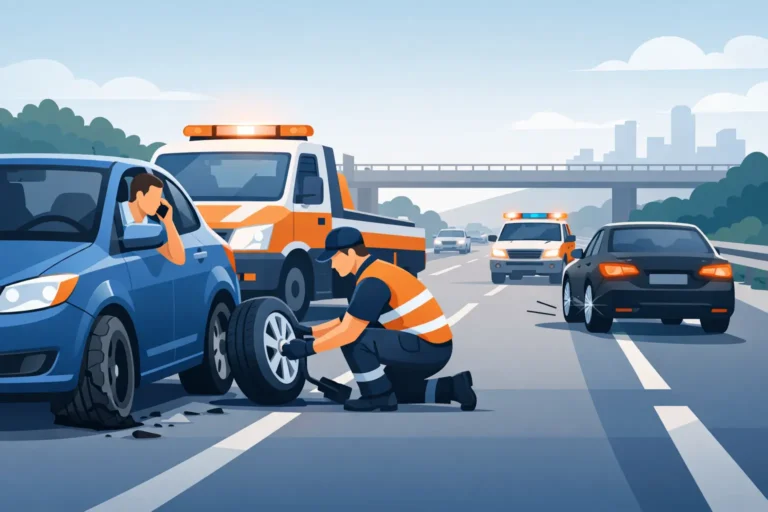
Ozzy's Breakdown Recovery

Category: Uncategorised

  • Non Runner Vehicle Recovery Done Right

    Non Runner Vehicle Recovery Done Right

    A car that will not start is frustrating enough on your drive. When it is stuck in a car park, outside work, at the roadside or on a motorway route, the problem becomes urgent very quickly. That is where non runner vehicle recovery matters. You do not need guesswork, delays or the wrong equipment. You need a recovery team that can get to you quickly, load the vehicle safely and move it without causing further damage.

    What counts as non runner vehicle recovery?

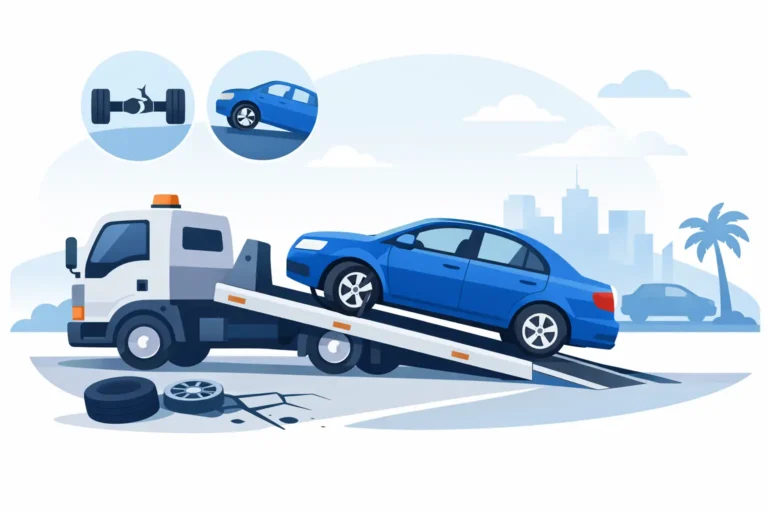
    Non runner vehicle recovery is the safe transport of a vehicle that cannot be driven under its own power. That might mean the engine will not start, the gearbox has failed, the battery is completely flat, the vehicle has been in an accident, or there is damage to a wheel, axle or suspension that makes driving unsafe.

    Not every non-runner is the same. Some vehicles are mechanically sound apart from an electrical fault. Others have suffered impact damage or a serious mechanical failure that rules out a simple tow. The recovery method depends on the condition of the vehicle, where it is located and whether the wheels will roll freely.

    This is why a proper assessment matters before loading starts. Sending the wrong lorry or using the wrong approach can waste time and create more stress when you are already stranded.

    When roadside assistance is not enough

    A jump start or a quick roadside fix is often the best outcome, but sometimes it is not the right one. If the car starts and then immediately cuts out, if warning lights point to a deeper fault, or if there is visible damage underneath, trying to drive it can make a bad situation worse.

    The same applies after an accident. Even if the vehicle looks drivable, hidden damage to steering, brakes or suspension can make it dangerous to move on the road. A professional recovery operator will always weigh up safety first. It is better to transport the vehicle properly than risk another breakdown a few miles later.

    For vans and light commercial vehicles, the stakes are even higher. Downtime costs money, missed deliveries affect customers, and a rushed decision can turn a repairable issue into a more expensive one. Planned recovery is often the most sensible option.

    Why the right equipment makes a difference

    Non runner vehicle recovery is not just about attaching a strap and pulling. Modern vehicles, low-clearance cars, damaged motorcycles, electric vehicles and axle-damaged vans all need the correct handling equipment.

    A professional recovery vehicle should be set up to load non-runners without dragging them across the ground or putting strain on already damaged parts. Winching, skates, specialist lifting gear and secure tie-down points all play a part. If a vehicle has locked wheels, collapsed suspension or accident damage, experience matters just as much as equipment.

    This is where a local, dedicated service stands out. A team that handles these jobs every day knows how to work in tight spaces, awkward roadside positions and busy motorway environments without adding delay.

    What to expect when you call for non runner vehicle recovery

    The first thing a good recovery company will want is clear information. Your location comes first, followed by the vehicle type and what has gone wrong. If you can say whether the car will steer, whether the wheels move, or whether there has been a collision, that helps the operator send the right vehicle from the start.

    You should also expect a realistic arrival time, not vague promises. When you are stuck, especially at night or in poor weather, communication matters nearly as much as speed. Knowing help is on the way reduces a lot of stress.

    Once on scene, the recovery operator should assess the vehicle, explain the loading process and confirm the destination before transport begins. That could be your home, a garage, a body shop or another safe location. The process should feel calm, professional and organised, not rushed.

    Common situations where recovery is the safest choice

    A lot of non-runners come down to a handful of common problems. Engine failure is one. Battery and electrical faults are another, though some can be fixed on site. Accident damage is a major reason too, especially when steering or suspension has been affected.

    There are also less obvious cases. A snapped spring, severe clutch failure, seized brakes or gearbox issues can leave a vehicle technically intact but not safely driveable. Flat tyres usually sound simple, but if the wheel or tyre has been damaged badly enough, roadside repair may not be possible.

    Then there are specialist cases such as motorcycles, electric vehicles and vehicles with axle damage. These need a recovery team that understands the differences. EVs, for example, should be handled with care and the correct transport method, particularly if the fault is electrical or the vehicle has been in an impact.

    Local roads, motorways and awkward recovery locations

    Recovery in Berkshire, South Oxfordshire and surrounding routes is not the same as collecting a car from a quiet residential street every time. A breakdown near the M4, M3 or M25 can become a safety issue very quickly. Traffic volume, narrow hard shoulders and restricted stopping areas all change the job.

    Speed matters in these locations, but so does control. The vehicle needs to be loaded efficiently, with proper warning measures in place and a clear plan for getting back into traffic. Equally, not all difficult recoveries happen on major roads. Underground car parks, tight retail parks, rural lanes and blocked driveways can all create access issues.

    That is why local knowledge helps. A recovery team familiar with the area can often reach you faster and plan the safest route for removal and onward transport.

    Choosing a recovery service when your vehicle will not move

    When you are stranded, it is tempting to call the first number you see. That is understandable, but there are a few things worth checking. Availability is the first one. If the vehicle cannot move now, you need a company that actually offers 24/7 support, not one that only looks available online.

    After that, look for clear communication, proper vehicle coverage and confidence in handling more than standard breakdowns. Non-runner recovery is not the same as a routine tow. If your vehicle has wheel damage, accident damage or is a van, bike or EV, the provider should be able to deal with that without hesitation.

    It is also fair to ask where the vehicle can be taken and whether the operator can recover from your exact location. A motorway, private car park or restricted access road may require a different approach. Straight answers matter.

    Why professional handling can save you money

    Some drivers try to solve a non-runner problem with informal towing or by moving the vehicle in a way that is not suited to its condition. That can end badly. Dragging a car with damaged suspension, towing an automatic incorrectly, or trying to roll a vehicle with brake or axle issues can add repair costs very quickly.

    Professional recovery is about protecting the vehicle as much as transporting it. Secure loading, correct lifting and proper tie-downs reduce the risk of added damage during transit. If the destination is a garage, that means the vehicle arrives in the same condition it was collected in, without new problems created on the way.

    For businesses, that protection is practical as well as financial. A fleet van off the road is already a problem. Further damage from poor transport only extends the downtime.

    Fast response still needs to be careful response

    Drivers usually want one thing first – someone to get there quickly. That is absolutely right. But fast should not mean careless. The best recovery services combine a quick response with a methodical approach once they arrive.

    That balance is what gives people confidence. You want a team that understands urgency, turns up prepared and then handles the vehicle properly. Whether the job is a simple home pickup or a difficult roadside recovery, professionalism shows in the details.

    For motorists across Berkshire and nearby routes, that is exactly what a dependable local operator should provide. Companies such as Ozzy’s Breakdown Recovery build trust by doing the basics well: answering the phone, arriving when promised, loading safely and getting the vehicle where it needs to go without fuss.

    If your car, van, motorcycle or EV will not move, the main thing is not to force it. Get it recovered properly, get it checked properly, and give yourself one less problem to worry about today.

  • Electric Vehicle Recovery Done Properly

    Electric Vehicle Recovery Done Properly

    An EV stopped on the hard shoulder is not just another breakdown with a different badge on the bonnet. Electric vehicle recovery needs the right handling, the right equipment and a recovery team that understands what can and cannot be done at the roadside. If the vehicle has lost drive, suffered battery issues or been involved in an accident, guessing is the last thing you want.

    For most drivers, the main concern is simple. You need help quickly, you need clear advice, and you need confidence that your car will be moved without causing further damage. That matters even more with electric vehicles, where towing methods, isolation procedures and loading techniques are not always the same as with petrol or diesel cars.

    What makes electric vehicle recovery different?

    The biggest difference is that many EVs should not be towed with their wheels on the road in the same way as a conventional vehicle. Depending on the model, doing so can damage the motor, drivetrain or regenerative braking system. In some cases, even moving the vehicle a short distance incorrectly can lead to expensive repairs.

    There is also the high-voltage system to consider. That does not mean every EV breakdown is dangerous, but it does mean recovery has to be approached properly. If a vehicle has warning lights showing, has shut down unexpectedly, has suffered impact damage or there are concerns around the battery pack, the recovery process needs to be cautious and methodical.

    This is why a dedicated recovery vehicle is often the safest option. A proper lift and load, or full vehicle transport, reduces the risk of drivetrain damage and gives better control over how the vehicle is secured. It is also the better choice for non-runners, accident-damaged EVs and cars that are stuck in park or have electronic faults.

    Common reasons drivers need electric vehicle recovery

    Running out of charge is the one people talk about most, but it is far from the only reason an EV ends up stranded. Breakdown callouts often involve 12V battery failure, charging faults, damaged tyres, collision damage, software-related shutdowns or vehicles that simply will not select drive.

    A flat 12V battery catches a lot of owners out. Even though the main traction battery may still hold charge, the car can become completely unresponsive if the low-voltage battery fails. Doors may not unlock normally, systems may not boot up, and the vehicle may not move at all.

    Charging issues are another common problem. Sometimes the vehicle will not accept a charge. Sometimes a public charger fails mid-session, leaving the driver with less range than expected. In other cases, a fault code puts the car into reduced power mode or stops charging altogether.

    Then there are the everyday problems that affect any vehicle on the road. Punctures, suspension damage, accident recovery and mechanical faults still happen. The difference is that with an EV, the recovery method needs to match the vehicle rather than relying on standard towing habits.

    Why the recovery method matters

    When drivers search for help, they often focus on response time first. That is understandable when you are stuck on the M4 at night or stranded in a car park with no charge left. But with EVs, speed and correct handling have to come together.

    A professional operator should first establish the make and model, the nature of the fault, whether the vehicle can roll freely and whether there has been any collision or underbody damage. Those details shape the safest plan. Some EVs can be winched carefully onto a flatbed. Others may need wheel skates or extra precautions if the wheels are locked or the electronic systems have failed.

    This is also where experience counts. Recovery is not just about moving a vehicle from A to B. It is about avoiding further stress for the customer and avoiding further damage to the car. If the operator on the phone and the driver on scene understand EV-specific handling, the whole job becomes quicker, calmer and safer.

    Electric vehicle recovery at the roadside

    Not every EV problem ends with a tow. In some situations, a roadside fix may still be possible. If the issue is a flat 12V battery, a safe jump start may get the vehicle live again. If there is a minor issue with access, tyre inflation or a simple reset, the driver may be able to continue the journey.

    That said, roadside solutions depend on the fault. A traction battery problem, charging system error or drivetrain issue is rarely something to gamble on. If warning messages persist or the car will not drive normally, recovery to a home address, workshop or main dealer is usually the sensible next step.

    Drivers are often tempted to keep trying, especially if the vehicle still powers up. That can be a mistake. Repeated attempts to drive a faulted EV can leave it in a worse condition or stop it in a more dangerous place. A controlled recovery early on is often the cheaper option.

    Accident recovery for electric vehicles

    Accident recovery adds another layer of care. If an EV has been hit underneath, struck a kerb hard or been involved in a more serious collision, the battery pack may need special attention even if there is no obvious external damage. Modern EVs are built with strong protection systems, but impact damage should never be brushed off.

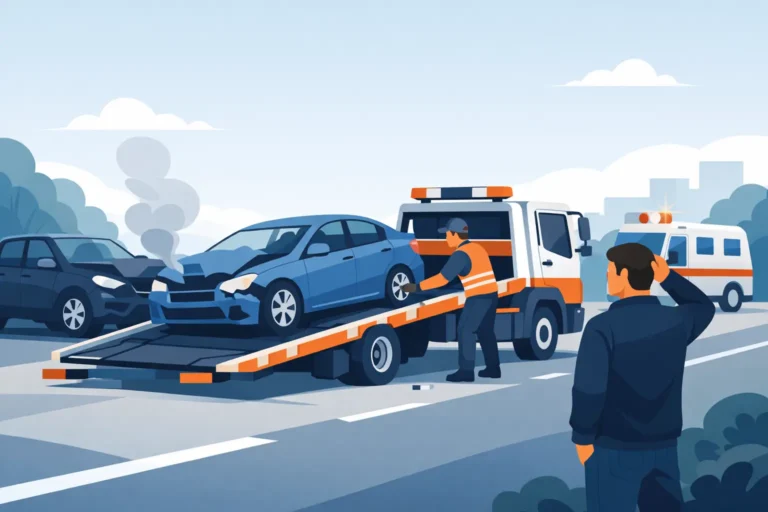
    A damaged EV should be loaded and transported with care, not dragged or improvised into position. If the car will not power down properly, if there are warning alerts linked to the high-voltage system, or if there is visible structural damage, the recovery team should treat the vehicle accordingly and move it without unnecessary risk.

    For drivers, the key point is simple. After an accident, do not assume an electric vehicle can be recovered like any other car. Tell the recovery operator exactly what happened, whether the vehicle is leaking, smoking, showing warning lights or refusing to move. The more accurate the information, the better the response.

    Choosing the right electric vehicle recovery service

    If you own or drive an EV regularly, it is worth knowing what good recovery looks like before you need it. A proper service should offer 24/7 availability, clear communication and the right transport setup for electric vehicles, not just a basic tow rope solution.

    Local coverage matters as well. If you break down in Berkshire, South Oxfordshire or on routes such as the M25, M4 or M3, you want a team that already operates in those areas and can reach you quickly. Long waits on a motorway shoulder or in an exposed roadside lay-by are not just frustrating. They increase risk and turn a manageable problem into a much worse one.

    It also helps to choose a service used to dealing with different vehicle types. Private EV owners, company cars, electric vans and hybrid vehicles all present slightly different practical issues. A recovery provider that handles everything from everyday breakdowns to non-runners and accident damage is far more likely to make the right call under pressure.

    That is why specialist local operators such as Ozzy’s Breakdown Recovery are increasingly the first call for EV drivers who need fast, no-fuss help. The priority is not jargon. It is getting to you quickly, loading the vehicle properly and taking it where it needs to go without adding to the problem.

    What to do while waiting for recovery

    If your EV breaks down, your first job is safety. Move to a safe place if you can. If you are on a motorway or fast road and the vehicle cannot be moved, follow breakdown safety guidance, switch on hazard lights and contact recovery straight away. Do not keep trying to restart or move the vehicle if it is clearly not responding properly.

    When you call, be ready to give your exact location, vehicle make and model, registration, battery charge level if known, and a clear description of what happened. Mention any warning messages, accident damage, whether the car will select neutral and whether it can roll. These details help the recovery team arrive prepared.

    If you are carrying a charging cable, personal belongings or business equipment, make a note of what needs to be retrieved before transport. Once the vehicle is loaded, access can be more limited. A few clear minutes on the phone can save a lot of hassle later.

    Electric vehicles are reliable for day-to-day driving, but when they do stop, they need the right response. Fast attendance matters, but proper handling matters just as much. If you ever need electric vehicle recovery, choose a service that treats your EV like the specialist vehicle it is and gets you out of trouble without wasting time.

  • Commercial Vehicle Recovery When Time Matters

    Commercial Vehicle Recovery When Time Matters

    A broken-down van at the side of the M4 is not just an inconvenience. It is missed jobs, delayed deliveries, unhappy customers, and a driver stuck waiting for answers. That is why commercial vehicle recovery needs to be fast, clear, and handled by a team that knows how to move quickly without cutting corners.

    For tradespeople, couriers, service engineers, and businesses running light commercial fleets, downtime costs money straight away. Every hour off the road affects schedules, staff time, and customer commitments. In that situation, you do not need vague promises. You need to know who is coming, how soon they can get there, and whether your vehicle will be recovered properly.

    What commercial vehicle recovery actually covers

    Commercial vehicle recovery is the safe roadside assistance, towing, and transport of working vehicles that cannot continue their journey. In most cases, that means vans, light commercial vehicles, and fleet vehicles that have broken down, been involved in an accident, suffered a flat battery, or developed a fault that makes driving unsafe.

    Sometimes the problem is simple. A flat battery, a puncture, or a warning light that turns into limp mode may be solved at the roadside. Other times, recovery is the only sensible option. If the vehicle has axle damage, steering issues, gearbox failure, accident damage, or an electrical fault that cannot be diagnosed safely on the hard shoulder, it needs loading and transporting by the right recovery vehicle.

    That difference matters. A proper recovery service does not just tow first and ask questions later. It assesses the condition of the vehicle, the location, the safety risk, and the best way to move it without causing more damage.

    Why speed matters in commercial vehicle recovery

    When a private car breaks down, the priority is getting the driver home or to a garage. When a working van breaks down, there is a wider knock-on effect. Appointments are missed. Goods stay in the back. Drivers lose time. Office staff start rearranging jobs. Customers ring asking where their delivery or engineer has got to.

    That is why response time matters so much in commercial vehicle recovery. A quick answer on the phone is useful, but it is only part of the picture. What really counts is getting a trained recovery operator to the vehicle fast, with the right equipment and a clear plan.

    There is also the safety side. A stranded commercial vehicle on a motorway or busy A-road creates risk for the driver and for other road users. The sooner the situation is made safe and the vehicle is moved, the better. Fast recovery is not only about convenience. It is about reducing exposure to danger and getting control of the situation before it gets worse.

    The problems that call for recovery, not guesswork

    Not every breakdown needs a full recovery, but many do. Vans and other commercial vehicles are often carrying tools, stock, parcels, or equipment, which adds weight and complexity. A fault that might seem manageable on a private car can be more serious on a loaded vehicle.

    Common callouts include engine failure, clutch problems, battery issues, overheating, punctures, accident damage, and vehicles that simply will not restart after stopping. There are also more awkward situations, such as a non-runner on a driveway, a van that has suffered suspension or axle damage, or a vehicle that needs moving between sites, garages, or depots.

    In these cases, trying to force the vehicle onward usually makes things worse. A short attempt to limp to the next junction can turn a repairable fault into a bigger garage bill. Recovery gives you a controlled way to move the vehicle without adding unnecessary damage or risk.

    What a reliable recovery service should give you

    The best commercial recovery services keep things straightforward. When you call, you should get a clear response, realistic arrival guidance, and confidence that the operator understands what type of vehicle they are dealing with.

    That matters because commercial vehicles are not all the same. Vehicle size, weight, load condition, wheel damage, and access all affect how recovery should be carried out. A van with front-end accident damage needs different handling from a non-starting fleet vehicle in a car park. The right service should have dedicated recovery vehicles and proper loading equipment, not just a one-size-fits-all approach.

    Communication matters as much as equipment. If you are managing a business vehicle breakdown, you need updates you can rely on. You need to know whether the issue can be solved roadside, whether the van is being recovered, and where it is going next. Clear communication reduces stress and helps you make practical decisions quickly.

    Commercial vehicle recovery on motorways and busy routes

    Breakdowns on the M25, M4, M3 and other high-traffic routes come with extra pressure. Drivers are exposed to fast-moving traffic, and even a minor issue can become a serious disruption very quickly. On these roads, recovery needs to be organised with urgency and care.

    The first priority is always safety. The second is getting the vehicle off the live carriageway or verge and into a safer position if possible. After that, the focus shifts to whether the problem can be resolved at the roadside or whether transport is needed.

    Motorway recoveries are rarely the place for trial and error. A service that knows the local network, understands the pressure of these callouts, and can respond quickly across Berkshire, South Oxfordshire and surrounding routes makes a real difference. For businesses covering these corridors every day, that local reach is not a bonus. It is part of what keeps operations moving.

    Fleet support is about more than one broken-down van

    If you run more than one vehicle, the stakes are higher. One breakdown can be managed. Repeated delays across several vehicles start affecting reputation, staffing, and customer retention. That is why businesses often look for a recovery provider that can handle regular callouts professionally rather than treating each incident as a one-off favour.

    Good fleet-focused recovery means consistency. Drivers know who to call. Managers know what information they will get. Vehicles are handled properly, and downtime is kept as short as possible. It also means understanding that businesses need practical solutions, whether that is roadside assistance, transport to a repairer, or planned movement of a non-running vehicle.

    There is no single answer for every fleet. A sole trader with one van needs speed and affordability. A company with several vehicles may care more about dependable coverage and response standards. It depends on how the vehicles are used, where they travel, and how costly delays are to the business.

    Choosing the right commercial vehicle recovery provider

    Price matters, but it should not be the only thing you look at when your van is stranded. A cheaper quote is no use if the operator arrives too late, lacks the right vehicle, or cannot recover the van safely. Commercial recovery is one of those services where reliability often saves more money than the lowest callout fee.

    Look for a provider that offers 24/7 availability, clear coverage, proper recovery equipment, and experience with vans and light commercial vehicles. If your work takes you across Berkshire, Reading, South Oxfordshire, Hampshire, Surrey or the surrounding motorway network, local knowledge is a real advantage. The faster a recovery team can reach you, the faster you can start fixing the rest of the day.

    It also helps to choose a service that can deal with more complex situations. Not every breakdown is a simple tow. Some involve accident damage, non-runners, awkward access, or newer vehicle types that need more careful handling. A provider with a wider capability is better placed to solve the problem in one visit.

    This is where a dependable local operator such as Ozzy’s Breakdown Recovery fits naturally. For drivers and businesses needing urgent support, the value is simple – 24/7 response, professional handling, and the confidence that help is already working its way to you.

    When to call for help straight away

    If the vehicle has lost power, suffered visible damage, developed steering or braking issues, or is stopped in a dangerous location, do not gamble on getting it moving again. Call for recovery. The same applies if warning lights are escalating, the vehicle is overheating badly, or it will not restart after a breakdown.

    For commercial drivers, there is always temptation to push on and finish the route. Usually that comes from wanting to keep customers happy or avoid losing time. In practice, pressing on with a fault often creates more delay, higher repair costs, and a greater chance of being stranded somewhere even worse.

    The better option is to act early. Get the vehicle assessed, make the scene safe, and let a professional recovery team take over. A fast decision at the roadside often saves the rest of the day from unravelling.

    If your van or fleet vehicle is off the road, the right help should feel simple – quick answer, quick arrival, safe recovery, and a clear next step so you can get back to business.

  • Van Breakdown Recovery When Time Matters

    Van Breakdown Recovery When Time Matters

    A van rarely breaks down at a convenient time. It happens on the way to a job, with tools in the back, stock to deliver, or a full day already booked in. When that happens, van breakdown recovery is not just about moving a vehicle. It is about protecting your time, your income and, in many cases, your customer commitments.

    For van drivers, sole traders and fleet operators, the priority is simple. You need a fast response, clear communication and a recovery team that knows how to handle commercial vehicles properly. Waiting for hours on a hard shoulder or in a lay-by is not just frustrating. It can cost you jobs, disrupt routes and leave you with a much bigger problem than the original fault.

    What good van breakdown recovery should actually do

    The best recovery service does more than tow your van from one place to another. It starts with getting to you quickly, making the scene safe and working out whether the issue can be dealt with at the roadside or whether full recovery is the better option.

    That matters because not every breakdown needs the same response. A flat battery, puncture or electrical fault might be resolved there and then. Axle damage, clutch failure, engine trouble or accident damage usually means transport is the only safe answer. A reliable team will not guess. They will assess the situation properly and tell you what happens next in plain terms.

    For van owners, that clarity makes a difference. If you are carrying tools, parts or perishable goods, you need to know whether you will be back on the road shortly or whether you should start reorganising the rest of your day. Straight answers save time.

    Why speed matters in van breakdown recovery

    A delayed car journey is inconvenient. A delayed van journey can hit your business immediately. Electricians miss call-outs. Couriers lose delivery windows. Builders lose site time. Mobile trades lose half a day before they have even opened the first toolbox.

    That is why speed is one of the first things to look for in van breakdown recovery. A quick response reduces risk at the roadside and helps limit the knock-on effect on your work. It also gives you confidence that someone is actually on the way, rather than leaving you chasing updates while traffic rushes past.

    Local coverage matters here as well. A recovery company that regularly works across Berkshire, South Oxfordshire and the major routes around the M4, M3 and M25 will generally be better placed to reach stranded drivers quickly than a provider trying to cover too much ground from too far away.

    Roadside fix or full recovery?

    This is where experience counts. Some faults are worth tackling at the roadside if it can be done safely and without wasting more of your time. Others need a proper recovery vehicle and a secure destination, whether that is your home, your depot or a garage.

    A good operator will weigh up the fault, your location and the condition of the van. If the vehicle has suffered suspension damage, wheel damage, accident impact or a serious mechanical failure, trying to limp it along can make things worse. In those cases, safe transport is the sensible option.

    There is also the question of load and equipment. Vans are often carrying expensive tools, trade stock or customer goods. Proper handling during recovery matters just as much as speed. The van needs to be secured correctly, moved carefully and transported using the right vehicle and equipment for its size and condition.

    The situations van drivers face most often

    Not every call-out looks dramatic from the outside. Sometimes the van simply will not start on a driveway before the first job of the day. Sometimes it cuts out in traffic. Sometimes a minor collision leaves it undriveable, even if the damage looks limited.

    Common call-outs include battery failure, punctures, engine faults, gearbox trouble, starter motor issues and accident damage. There are also more technical cases, such as non-runners, axle damage and vehicles that cannot be moved safely without specialist lifting or transport. If you drive a newer electric van, recovery needs to be handled with the right knowledge too, because EVs are not recovered in exactly the same way as standard diesel or petrol vehicles.

    That variety is why van breakdown recovery should never be treated as a one-size-fits-all service. The right response depends on the van, the fault and where you are stranded.

    What businesses should expect from a recovery partner

    If you run even a small fleet, downtime adds up quickly. One van off the road can affect bookings, staff schedules and customer service. Two or three off the road starts to create a real operational problem.

    For businesses, recovery is not only about emergencies. It is also about having a dependable contact when something goes wrong outside office hours, on a weekend or during a busy trading period. You want to know that if a driver calls from a roadside, industrial estate or motorway slip road, the response will be prompt and professional.

    That is why many businesses look for the same things every time: 24/7 availability, realistic response times, clear pricing, commercial vehicle experience and proper communication with the driver. The service should feel organised and calm, even when the situation is not.

    Ozzy’s Breakdown Recovery is built around that approach, with round-the-clock call-outs, dedicated recovery vehicles and practical support for vans and light commercial vehicles across the local area.

    How to choose the right van breakdown recovery service

    When you are under pressure, it is tempting to ring the first number you find. Sometimes that works out. Sometimes it leaves you waiting far longer than expected with no clear answer on cost or arrival time.

    The better approach is to look for a service that speaks plainly about what it covers. Can it recover vans and commercial vehicles, not just cars? Does it deal with accident recovery, non-runners and specialist cases as well as standard breakdowns? Is it available 24/7? Does it know the roads you actually use?

    It is also worth paying attention to how a company communicates. If they are vague before the job starts, they are unlikely to become clearer once you are stranded. A dependable recovery team should be able to tell you what information they need, how quickly they can respond and what kind of help they can provide.

    What to do while waiting for recovery

    Once you have called for help, your focus should shift to safety and practical next steps. If the van can be moved somewhere safer, do that only if it is legal and safe to do so. If not, keep well clear of live traffic and follow standard roadside safety measures.

    Then think about the rest of the day. If you are due at a customer site, let them know there may be a delay. If you are carrying urgent goods or booked jobs, decide early whether someone else needs to step in. The sooner you make that call, the easier it is to limit the disruption.

    Have the basics ready for the recovery team as well: your exact location, vehicle registration, the fault if known, and whether the van is loaded, damaged or blocked in. That speeds things up when help arrives.

    Van breakdown recovery for local drivers and motorway routes

    Recovery needs can change depending on where the breakdown happens. A van that stops outside a property in Reading is one job. A van stranded near the M4, M3 or M25 is another. Traffic flow, access restrictions and safety considerations all affect the response.

    That is why local knowledge matters. A team that regularly covers Berkshire, South Oxfordshire, Hampshire, Surrey and the surrounding motorway corridors will usually understand the quickest route in, the safest approach and the likely delays on those roads. In breakdown recovery, that practical knowledge often matters more than big promises.

    If your van is your livelihood, the right recovery service is not a luxury. It is part of keeping your business moving when the day goes wrong. When you need help, you want people who answer quickly, turn up when they say they will and handle the vehicle with care. That is what turns a bad breakdown into a manageable delay rather than a lost day.

  • Motorcycle Towing Service You Can Trust

    Motorcycle Towing Service You Can Trust

    A bike stopped at the roadside feels different from a car breakdown. You have less protection, less space to wait safely, and no room for guesswork. When you need a motorcycle towing service, you need a recovery team that answers quickly, turns up prepared, and transports your bike properly the first time.

    That is the real job. Not just moving a motorcycle from one place to another, but getting you out of a stressful situation fast, keeping the bike secure, and making sure no extra damage is caused during loading or transport. Whether you are stuck on a local road in Berkshire, outside Reading, or near a busy stretch of the M4, M25 or M3, speed matters and so does care.

    When a motorcycle towing service is the right call

    Some bike problems can be handled at the roadside. A flat battery, for example, might be sorted there and then if the fault is simple. But plenty of situations need proper recovery instead of a quick fix. If the bike will not start, has electrical issues, has been involved in an accident, has tyre or wheel damage, or simply is not safe to ride, towing is the sensible option.

    This is where people often lose time. They wait, try another restart, or ask a mate with a van who is not available for hours. If the bike is stranded in a live lane, on a hard shoulder, or in a risky position on a narrow road, delaying usually makes a bad situation worse. A professional recovery service gets the motorcycle moved safely without adding more stress.

    It also matters for non-runners that have not broken down on the road. Maybe the bike needs transporting to a garage, home address, MOT appointment or specialist workshop. In those cases, planned recovery is often the safest and most practical choice, especially if the bike has been standing for a while or the fault is still unknown.

    Why motorcycle recovery needs the right equipment

    Not every towing setup is suitable for motorcycles. A bike cannot just be treated like a small car. It needs stable loading, correct tie-down points, proper securing methods, and careful handling throughout the journey. If that is done badly, fairings, forks, bars and wheels can all suffer damage that was not there before recovery started.

    A reliable motorcycle towing service should use equipment designed for two-wheel transport and staff who understand how different bikes need to be handled. A lightweight commuter motorcycle, a sports bike, a cruiser and a larger touring model all have different weight balance and bodywork considerations. The loading process has to match the bike, the condition it is in, and the location it is being recovered from.

    This is especially important after an accident. If the motorcycle has suspension damage, wheel damage, steering issues or leaking fluids, moving it incorrectly can make the situation worse. In those cases, trained recovery matters far more than simply getting it onto a vehicle.

    Fast response matters when you are stranded

    If you are standing next to a broken-down motorcycle, you are not looking for a lecture. You want a clear answer to one question: how quickly can someone get here?

    That is why response time is one of the first things riders look for. A 24/7 service with realistic local coverage makes a big difference, particularly if you are stuck at night, in poor weather, or on a motorway route where waiting around is the last thing you want. A quick response reduces risk, reduces disruption, and gets you moving towards a solution sooner.

    There is a balance here. Fast is important, but so is turning up with the right vehicle and kit. A rushed service that arrives unprepared is not much use. The best recovery providers combine both – quick attendance and proper handling from the start.

    For riders in Berkshire, South Oxfordshire and surrounding routes, local coverage also matters. A company that regularly attends breakdowns in the area is more likely to understand the road network, traffic pinch points and the urgency of motorway and A-road callouts. That local knowledge often helps recovery happen faster and more smoothly.

    What to expect from a professional service

    A proper recovery call should feel straightforward, even if the situation is not. When you contact a motorcycle towing service, the process should be simple. You explain where you are, what bike you have, and what has happened. From there, you should get a clear idea of response time, likely next steps, and where the bike can be taken.

    Communication matters more than people think. If you are stressed, cold, or trying to keep yourself safe at the roadside, the last thing you need is vague answers. Good recovery support is direct and practical. It gives you confidence that help is actually on the way.

    On arrival, the recovery operator should assess the bike, the road position and any immediate safety concerns before loading. From there, the motorcycle should be secured correctly and transported to the agreed destination, whether that is your home, a garage or another location. If the bike has been involved in an accident or has specialist issues, the operator should handle it accordingly rather than forcing a one-size-fits-all approach.

    Breakdown, accident or transport – the job is different each time

    Not every callout is the same, and that affects the recovery method. A simple mechanical breakdown in a car park is one thing. A post-accident recovery from a fast road is something else entirely. The bike condition, road layout, weather, traffic and access all influence how the job should be handled.

    That is why experience counts. A dependable recovery team knows when a quick load-and-go approach is fine and when extra care is needed. If a bike has locked wheels, axle damage or visible structural issues, loading can take longer and may require specialist handling. That is not a delay for the sake of it. It is what prevents additional damage and keeps the recovery safe.

    The same applies to planned bike transport. If you are moving a non-runner from home to a workshop, or collecting a recently purchased motorcycle that is not roadworthy, you still want professional transport rather than improvised arrangements. It saves time, lowers risk and means the bike arrives in the same condition it left.

    Choosing a motorcycle towing service without wasting time

    In an emergency, people usually do not compare ten providers. They want a service that answers, covers their area, and can get there quickly. Even so, a few details are worth checking.

    First, make sure the company actually handles motorcycles and does not treat them as an afterthought. Second, check that it offers 24/7 support if your breakdown has happened out of hours. Third, look for a service area that matches where you are, especially if you are near key motorway corridors. Finally, pay attention to whether the company sounds clear and confident on the phone. If communication is poor before they arrive, it rarely improves afterwards.

    That is where a local, service-first operator stands out. Ozzy’s Breakdown Recovery focuses on fast attendance, professional handling and around-the-clock support across Berkshire, South Oxfordshire and nearby routes. For riders, that means one call to arrange practical help instead of chasing uncertain options while the bike sits stranded.

    What you should do while waiting for recovery

    Once recovery is booked, your priority is safety. If you are on a busy road, move yourself to a safer position where possible and stay clear of traffic. If the motorcycle can be moved without risk, get it out of danger. If it cannot, do not force it. Your safety comes first.

    Keep your phone nearby and stay available in case the recovery driver needs help locating you. If you are on a motorway or major route, give as precise a location as possible. Landmarks, junction numbers and direction of travel all help. If weather is poor or visibility is low, make yourself easier to see without putting yourself at risk.

    If the bike has dropped fluids, has obvious accident damage, or the steering or wheels look compromised, mention that clearly when you call. It helps the recovery team arrive prepared with the right equipment and expectations.

    The value of getting it done properly

    A motorcycle is not just transport for most riders. It is something you rely on, look after and want handled with care. That is why the cheapest or quickest-sounding option is not always the best one. If the service is careless, slow to communicate or not properly equipped, the cost can show up later in added damage, wasted time and more stress.

    A dependable motorcycle towing service gives you the thing you need most in that moment – certainty. Someone answers. Someone comes out. The bike is loaded correctly. You know where it is going. You get on with the next step instead of standing at the roadside wondering what to do.

    If your motorcycle will not get you home under its own power, the right recovery support should.

  • Fast Car Jump Start Service Near You

    Fast Car Jump Start Service Near You

    It usually happens when you are already late. You turn the key, the dashboard flickers, and the engine will not fire. A reliable car jump start service is not a nice extra at that point – it is the quickest way to get moving again without adding more stress to an already bad day.

    When your battery goes flat at home, in a work car park, outside the school gates or on the hard shoulder, speed matters. So does turning up with the right kit and knowing whether a jump start is actually safe for the vehicle. That is why many drivers would rather call for proper roadside help than gamble with cables from a passing motorist.

    When a car jump start service is the right call

    A flat battery is one of the most common reasons a car will not start, but it is not the only one. If the engine is slow to turn over, the lights are dim, or you hear rapid clicking when you try the ignition, the battery is often the problem. In those cases, a jump start may be enough to get you back on the road.

    There are times, though, when the battery is only part of the story. If the car cuts out repeatedly, if there is obvious damage after an accident, or if warning lights suggest a charging fault, simply forcing the engine back to life may not solve much. A proper roadside technician will check what is happening first, then decide whether a jump start, battery support or full recovery is the safer option.

    That matters more with modern vehicles than many people realise. Newer cars carry a lot of sensitive electronics, and some start-stop systems, hybrids and electric vehicles need a different approach. The quick fix you might have used years ago on an older car does not always suit what is parked on your drive now.

    Why drivers call for professional jump starts

    The obvious reason is convenience. If you are stranded, you want someone there quickly who can sort the issue without turning it into a bigger one. But convenience is only part of it.

    Safety is the bigger point. Incorrect jump starting can damage electrical systems, blow fuses or create sparks in the wrong place. That risk goes up in poor weather, on busy roads or when drivers are trying to work in tight spaces with no proper equipment. A professional service arrives prepared, connects things correctly and works with the surroundings in mind.

    There is also the question of what happens next. A battery can go flat because a light was left on, but it can also fail because it is old, the alternator is not charging properly, or the car has been standing too long. A good roadside response does more than get the engine running. It helps you understand whether you can carry on with confidence or whether recovery is the smarter choice.

    For motorists across Berkshire, South Oxfordshire and the main motorway routes nearby, that difference is important. Breaking down on the M4, M3 or M25 is very different from being stuck on your driveway. You need clear communication, a realistic arrival time and a team that treats the situation with proper urgency.

    What to expect from a fast car jump start service

    First, you should expect a quick response and a straightforward phone call. In a breakdown, nobody wants a long process. You need to explain where you are, what the vehicle is doing, and whether you are in a safe location. From there, the focus should be on getting help moving without delay.

    Once on scene, the technician should confirm the fault before attempting a jump start. If the battery is flat, the process is simple enough with the right equipment. If the issue points elsewhere, you should be told plainly. That honesty matters. There is no value in pretending a jump start has fixed the problem if the car is likely to stop again ten minutes later.

    You should also expect the vehicle to be handled properly. That includes cars, vans, motorcycles and, where suitable, newer vehicle types that need more care around electronics and recovery methods. A service-first operator does not just focus on getting to you fast. They focus on getting the job done safely.

    Car jump start service for homes, workplaces and roadsides

    Flat batteries do not keep office hours. Early mornings are common, especially in winter, when cold weather exposes a weak battery. Company vehicles left standing over a weekend can be just as vulnerable, and so can family cars used for short local trips that never really give the battery time to recharge.

    That is why a 24/7 service matters. If your car will not start before work, if your van is off the road before a delivery run, or if your vehicle dies late at night after a long shift, waiting until normal business hours is not always an option. Downtime costs time, money and patience.

    For private motorists, quick attendance means less disruption and less worry. For businesses, especially those running light commercial vehicles, it can mean the difference between keeping the day on track and losing jobs. That is one reason firms in the area often rely on roadside teams that can deal with both simple battery failures and larger recovery needs without passing the problem elsewhere.

    Not every non-start is a battery problem

    This is where experience earns its keep. Plenty of drivers assume a flat battery because the car will not start, but the real fault may be with the starter motor, alternator, ignition system or another electrical issue. In colder months, old batteries fail more often, but that does not mean every no-start is solved with a boost.

    There are also situations where attempting a jump start is the wrong call. If the battery casing is damaged, if there is a burning smell, if the vehicle has been in a collision, or if the car has specialist requirements, roadside recovery may be safer than trying to restart it there and then.

    The practical value of a professional service is that you do not need to make that judgement alone while stressed at the side of the road. The job is to assess, act and give you the quickest safe route forward.

    Local response makes a real difference

    In breakdown work, local coverage is not just a marketing line. It affects how quickly help reaches you, how well the driver knows the roads, and how easily support can be delivered on awkward routes, in residential streets or on busy motorway corridors.

    A provider covering Berkshire, Reading, South Oxfordshire, Hampshire, Surrey and surrounding routes can often react faster than a distant national dispatch model. That local presence also helps with realistic arrival times. If you are stranded, vague promises are no use. You want to know that somebody is on the way and that your call is being handled by people who know the area.

    Ozzy’s Breakdown Recovery is built around that kind of response – practical, round the clock and focused on getting drivers out of trouble fast. Whether the problem is a straightforward flat battery or something that needs full recovery, the aim stays the same: reduce the delay, protect the vehicle and get you looked after properly.

    How to help while you wait

    If you have called for assistance, the best step is usually to keep yourself safe rather than trying repeated starts. Turn on your hazard lights if needed, move to a safer spot if the vehicle can still roll and it is safe to do so, and keep your phone nearby in case the recovery driver needs to confirm your location.

    If you are on a motorway or major A-road, follow normal breakdown safety advice and keep well away from moving traffic. If you are at home or at work, make sure the vehicle is accessible and any locking wheel nuts or keys are easy to hand if further help is needed.

    The main thing is not to turn a flat battery into a bigger problem by guessing. Repeated attempts to start a failing vehicle can drain what little power is left and sometimes make diagnosis harder when help arrives.

    A dead battery can ruin a morning in seconds, but it does not need to ruin the rest of your day. The right roadside team will treat it like what it is – an urgent problem that needs a fast, clear and professional fix.

  • M3 Vehicle Recovery When You Need Help Fast

    M3 Vehicle Recovery When You Need Help Fast

    A breakdown on the M3 rarely happens at a convenient time. It is usually dark, wet, busy, or all three, and the last thing you need is vague advice or long waits. If you need M3 vehicle recovery, what matters is simple – a fast response, clear communication, and a recovery team that knows how to get to you quickly and move your vehicle safely.

    The M3 is a major route for commuters, families, business drivers and long-distance traffic moving through Hampshire, Surrey and towards London. When a vehicle stops on a motorway hard shoulder, at a slip road, or after an accident, the pressure rises quickly. You may be worried about your safety, getting home, missing work, or what further damage could happen if the vehicle is handled badly. That is why motorway recovery needs to be treated as an urgent professional job, not just a tow from A to B.

    Why M3 vehicle recovery needs a fast response

    Not every breakdown is equal. A flat battery in a driveway is one thing. A failed clutch, puncture, engine fault or collision on the M3 is completely different. Traffic volume, live lanes, limited stopping areas and the speed of surrounding vehicles all make motorway situations more serious.

    A proper recovery response starts with getting accurate details straight away. Your location, direction of travel, vehicle type, fault if known, and whether you are in a place of immediate danger all affect how the job is handled. When that information is taken properly from the start, delays are reduced and the right recovery vehicle can be sent first time.

    Response speed matters, but so does knowing what to do when the team arrives. A stranded car, motorcycle, van or EV all need different handling. The best recovery service does not guess on the roadside. It arrives prepared.

    What usually causes breakdowns on the M3

    Motorway callouts often come down to the same core problems, but the right solution depends on the vehicle and the location. Battery failure is common, especially in colder weather or after repeated short trips. Tyre damage is another regular issue, particularly if the vehicle has hit debris at speed.

    Mechanical faults also show up fast on motorways. Cooling system failures, electrical problems, clutch issues and engine warning lights can move from manageable to serious in minutes when a vehicle is under constant load. Then there are accident recoveries, which need extra care, especially where steering, suspension or axle damage is involved.

    For van drivers and commercial vehicles, payload and timing make things more urgent. A delayed delivery, missed job or immobilised work van costs money from the moment it stops. For private motorists, the stress often comes from not knowing whether the vehicle can be fixed on site or needs transporting.

    That is why clear advice matters. Sometimes the right answer is a roadside fix such as a jump start. Sometimes recovery is the only safe option. A dependable operator will tell you straight.

    M3 vehicle recovery for cars, vans, motorcycles and EVs

    A motorway recovery service should not be limited to standard cars. Different road users rely on the M3 every day, and each one brings its own recovery requirements.

    Cars are the most common callout, but even among private vehicles there is a big difference between a simple non-start, accident damage and a complete mechanical failure. Safe loading and transport matter, especially for lower vehicles or those with damaged wheels.

    Motorcycle recovery needs proper securing and transport equipment. Bikes cannot be treated like small cars. If they are not loaded correctly, cosmetic and mechanical damage can happen during transit.

    Van and commercial vehicle recovery needs enough capacity and the right equipment for the size and weight involved. Businesses often need more than just collection – they need a quick plan that gets the vehicle off the motorway and moved to a garage, depot or other destination without wasting more time.

    EV recovery also needs the right approach. Electric vehicles are heavier than many drivers expect, and some faults mean they should not be handled in the same way as petrol or diesel vehicles. Safe EV-compatible recovery is essential if you want to avoid further issues.

    What to expect from a proper motorway recovery service

    When you call for help from the M3, you should not have to chase for answers. A good recovery service keeps things straightforward from the first phone call.

    First, you should get a direct response and clear questions about your situation. Then you should be told roughly how soon help can reach you and what kind of assistance is being sent. If your vehicle can be safely dealt with at the roadside, that should be considered. If not, recovery should be arranged without wasting time.

    You should also expect professional handling once the team arrives. That means safe positioning, careful loading, proper vehicle securing and transport by somebody who understands motorway recovery pressures. In stressful situations, reassurance matters, but it has to be backed up by action.

    At Ozzy’s Breakdown Recovery, that means 24/7 support, fast attendance where possible, and a service built around getting stranded drivers moving again or transporting their vehicle safely without delay.

    Staying safe while waiting on the M3

    If your vehicle breaks down on the motorway, safety comes before anything else. If you can reach a safe place, do so. If you are forced to stop, put your hazard lights on and follow motorway safety guidance as best you can. In many cases, that means exiting the vehicle safely when it is possible and waiting behind the barrier away from traffic.

    Do not stand near the carriageway, and do not try to inspect the vehicle on the traffic side. What feels like a quick check can become dangerous very fast on a live motorway. If you are travelling with passengers, especially children or vulnerable people, keeping everybody together in a safe place is the priority.

    Once you have called for recovery, keep your phone available and stay alert for updates. Good communication reduces a lot of the stress because you know help is on the way and you know what happens next.

    Local knowledge makes a difference

    Motorway recovery is not just about distance. It is about route awareness, traffic conditions, access points and knowing how to reach drivers quickly along busy corridors. The M3 can be unpredictable, particularly around peak travel times, roadworks, junction approaches and poor weather.

    A recovery operator with experience across the wider motorway network and nearby areas is often in a much better position to respond efficiently. Drivers around Berkshire, South Oxfordshire, Hampshire, Surrey and connected routes need a service that understands how these roads link together, because the nearest available route is not always the fastest one once traffic builds.

    That local and regional knowledge can make a real difference to response times and to the practical side of onward transport. Whether your vehicle needs to go home, to a garage, to a business address or to a preferred repairer, planning the next step properly saves time and hassle.

    When recovery is better than risking further damage

    A lot of drivers hesitate before calling recovery because they hope the vehicle will make it to the next junction. Sometimes that works. Sometimes it turns a repair into a much bigger bill.

    If the vehicle is overheating, losing power, making unusual noises, showing serious warning lights, or has damaged steering, tyres or suspension, pressing on can be the wrong choice. The same applies after an accident, even if the vehicle still appears drivable. Hidden damage is common, and motorway speeds put extra strain on already compromised components.

    There is always a balance. Nobody wants to call for recovery unnecessarily. But if there is a genuine safety concern or a risk of mechanical damage getting worse, arranging transport is often the most sensible and cost-effective option.

    Choosing the right help on the M3

    When you are stranded, you are not looking for a long explanation. You want to know someone will answer, turn up, and deal with the problem properly. That is what good M3 recovery comes down to.

    Look for a service that covers cars, motorcycles, vans, commercial vehicles and EVs, offers 24/7 support, and can handle both breakdowns and accident recovery. Fast response matters, but so does professionalism, especially if your vehicle is damaged, immobilised or carrying work equipment.

    Fair pricing and clear updates also matter. In a breakdown, uncertainty is often as frustrating as the fault itself. A service that tells you where you stand from the start removes a lot of that pressure.

    If you ever find yourself stuck on the M3, the right recovery service should make a bad situation feel manageable within minutes of the call. When help is quick, communication is clear and your vehicle is handled with care, getting stranded stops feeling like chaos and starts feeling like a problem with a clear way forward.

  • M25 Breakdown Recovery When Minutes Matter

    M25 Breakdown Recovery When Minutes Matter

    A breakdown on the M25 is never a small problem. Traffic is fast, hard shoulders are limited in places, and what starts as a warning light can quickly turn into a dangerous situation. When you need M25 breakdown recovery, the priority is simple – get yourself safe, get clear advice, and get your vehicle moved by a recovery team that knows how motorway callouts work.

    The M25 does not give drivers much room for error. One puncture, battery failure, engine fault or collision can leave you stranded among heavy traffic with little time to think. That is why the right recovery service matters. You are not looking for vague promises or a delayed callback. You need a 24/7 team that answers the phone, gives you clear instructions, and gets moving straight away.

    Why M25 breakdown recovery needs a fast response

    Motorway breakdowns are different from breakdowns on local roads. On a quieter street, you may be able to wait safely in a lay-by or outside a property while help arrives. On the M25, the risks rise quickly. Fast-moving cars, lorries and vans create a far more exposed environment, especially during poor weather, darkness or peak traffic.

    That is why speed matters, but so does handling the job properly. A rushed service with the wrong vehicle or poor motorway awareness can make the situation worse. Good recovery is about response time, yes, but it is also about safe loading, correct vehicle transport, and calm communication when the driver is under pressure.

    For many motorists, the stress is not just about the vehicle. It is about being stuck with children in the car, missing work, losing delivery time, or trying to get home late at night. Commercial drivers feel that pressure even more because every hour off the road can cost money. A dependable recovery service understands that the real job is not only moving a broken-down vehicle. It is reducing disruption as quickly as possible.

    What to do first if you break down on the M25

    If your vehicle develops a fault, try to stay calm and act early. If you can feel power dropping, hear unusual noises, or see smoke or warning lights, do not keep driving in the hope it clears itself. If it is safe to do so, move to a safe place such as a service area or designated emergency area. If that is not possible, follow motorway safety guidance, put your hazard lights on, and focus on getting yourself and any passengers out of immediate danger.

    Once you are safe, call for recovery and be ready to give your location as clearly as possible. The M25 is long and busy, so details matter. The closest junction, direction of travel, carriageway marker post, nearby gantry number, and your vehicle type can all help speed things up. If the car is not drivable, say so straight away. If there has been an accident or wheel damage, mention that too, because specialist equipment may be needed.

    A good recovery team will also ask the right questions without overcomplicating things. They need enough detail to send the correct vehicle, not to waste your time. That is especially important for vans, motorcycles, non-runners, and electric vehicles, where transport requirements can differ.

    The most common M25 callouts

    The M25 sees every kind of roadside problem, from simple battery issues to serious accident damage. Some faults can be resolved at the roadside, while others need full transport to a garage, home address, depot or another destination.

    Battery failures are common, particularly in colder weather or after a vehicle has been standing. Tyre damage is another frequent issue, especially when debris on the carriageway causes sudden punctures or sidewall damage. Engine overheating, clutch failure, electrical faults and alternator problems also appear regularly on motorway callouts.

    Then there are the more difficult jobs. After a collision, a vehicle may have axle damage, steering damage, or bodywork that makes it unsafe to tow conventionally. Motorcycles need correct securing and transport methods. Vans and light commercial vehicles require the right recovery setup to avoid delays. Electric vehicles need handling that takes account of their weight and manufacturer guidance. This is where experience matters. Not every recovery job is a standard tow.

    Choosing the right M25 breakdown recovery service

    When you are stranded, it is tempting to ring the first number you find and hope for the best. But motorway recovery is one area where the cheapest or fastest-sounding option is not always the right one. The real question is whether the operator can deal with your exact situation properly and without delay.

    Look for a service that is available 24/7 and used to working motorway routes. Clear communication is a strong sign. If the person on the phone sounds organised, asks practical questions, and gives you a realistic response window, that usually tells you a lot. If they are vague about timing or unsure about your vehicle type, that is less reassuring.

    You also want a team that covers more than standard car recovery. Many motorway callouts involve vans, motorcycles, electric vehicles or damaged non-runners. A provider with the right equipment and trained operators can handle those jobs without needing to pass you elsewhere. That saves time and reduces stress.

    For local drivers and businesses around Berkshire, South Oxfordshire and nearby motorway corridors, using a trusted operator with genuine M25 coverage makes a difference. A company like Ozzy’s Breakdown Recovery is built around urgent callouts, quick attendance and safe vehicle handling, which is exactly what motorway drivers need when plans go wrong.

    M25 breakdown recovery for cars, vans, bikes and EVs

    Not all vehicles fail in the same way, and not all need the same kind of recovery. Cars are the most common motorway callout, but even then the problem can range from a flat battery to accident transport. The recovery method depends on whether the fault can be resolved at the roadside, whether the car can roll freely, and where it needs to go next.

    Van recovery often needs a more considered approach because of vehicle size, payload concerns and business urgency. A tradesperson, courier or fleet driver does not just need a tow. They need downtime kept to a minimum and a service that understands the pressure of missed work.

    Motorcycle recovery is more specialist than many drivers realise. Bikes need secure loading and proper restraint to prevent damage in transit. Electric vehicle recovery brings its own considerations too. EVs are heavier than many equivalent petrol cars, and certain faults require careful handling rather than a quick roadside fix.

    That is why it helps to use a provider with broad recovery capability, not a one-size-fits-all setup. On a road like the M25, the right kit and the right judgement save time.

    What a professional recovery experience should feel like

    When a driver calls for help from the side of the motorway, they do not want jargon. They want reassurance that someone is on the way and knows what they are doing. A professional recovery service should feel calm, direct and efficient from the first phone call.

    You should know roughly when help is coming. You should know what happens next. And when the recovery operator arrives, the process should be handled safely and with care for both you and your vehicle. That means proper roadside awareness, clear instructions, and the equipment needed to load and transport the vehicle without causing extra damage.

    There can be trade-offs. In severe traffic, response times may be affected. In some situations, police or traffic officers may control how and when a recovery takes place. In more complex accidents, the quickest arrival is not always the same as the quickest completion if the wrong vehicle has been sent. Honest communication matters here. Better to be told the real position than given promises that do not hold up.

    For businesses, downtime on the M25 costs money

    If you run vans or light commercial vehicles, a breakdown on the M25 is more than an inconvenience. It can disrupt deliveries, appointments, staffing and customer service in one hit. That is why commercial recovery needs a provider that treats urgency seriously.

    A responsive service can help businesses protect schedules, move failed vehicles to the right repair point, and keep drivers informed rather than stranded. For fleet operators, reliability matters just as much as speed. You need to know that when your driver calls, the recovery process starts without confusion.

    If your vehicle stops on the M25, the main thing is not to overthink it while sitting in a risky position. Get safe, give your location clearly, and call a recovery team that can act fast and handle the job properly. On a motorway this busy, peace of mind starts with knowing the right help is already on its way.

  • Motorway Recovery M4 When Minutes Matter

    Motorway Recovery M4 When Minutes Matter

    A breakdown on the M4 is never just inconvenient. It is fast-moving traffic, narrow hard shoulders in places, stressed drivers, and the pressure to get yourself and your vehicle somewhere safe quickly. That is exactly why motorway recovery M4 support needs to be fast, clear, and handled by people who know how to work under pressure.

    If your car cuts out near Reading, you have a tyre issue outside Slough, your van loses power around Junction 12, or your EV stops with no usable charge, the priority is simple – safety first, then recovery without delay. On a motorway, there is no room for guesswork.

    Why motorway recovery on the M4 needs a different response

    Not every breakdown is the same, and not every road creates the same risks. A vehicle that stops on a quiet local road can often wait a little longer for assistance. A vehicle stranded on the M4 cannot. Traffic speeds are higher, visibility changes quickly, and drivers around you may have very little time to react.

    That changes what good service looks like. You do not just need someone to turn up eventually. You need a recovery team that answers straight away, gives clear instructions, understands motorway procedures, and arrives ready to move the vehicle safely. The right operator will not waste time trying unsuitable fixes at the roadside if recovery is the safer option.

    This is especially important on stretches of the M4 that carry heavy commuter traffic, airport journeys, business travel, and commercial transport. Delays build quickly. Stress builds even faster.

    What to expect from motorway recovery M4 services

    When you call for help on the M4, the process should feel straightforward even if the situation is not. You should be asked for your location, vehicle type, the fault if known, and whether you are in a place of relative safety. If you do not know your exact position, details such as the nearest junction, a marker post, or your direction of travel can help pinpoint you.

    A proper motorway recovery M4 service should then focus on two things – getting to you promptly and getting the vehicle moved safely. In some cases, a roadside repair is possible. A flat battery, minor electrical issue, or simple mechanical fault may be dealt with on the spot. In other cases, recovery is the only sensible route.

    That can include transport to your home, your garage, a workplace, or another safe destination. For business users, it may mean reducing downtime and keeping schedules from falling apart. For families, it may simply mean getting everyone off the motorway and back somewhere secure.

    Common M4 breakdown callouts

    Some problems are more common than others on motorway routes. Battery failure still catches drivers out, especially after short journeys, cold weather, or long periods without use. Tyre damage is another frequent issue, particularly after debris strikes or pothole impact near slip roads and lane edges.

    Mechanical faults are also common. Overheating, clutch failure, engine warning lights, sudden loss of power, and transmission problems can all turn a normal journey into an emergency stop. Vans and heavier working vehicles often face added strain because of load weight and mileage, which means roadside recovery needs to be equipped for more than standard cars.

    Then there are accident recoveries. Even low-speed collisions can leave a vehicle unsafe to drive. Axle damage, steering issues, bodywork interference with the wheels, or deployed safety systems can all mean the vehicle needs lifting and transporting rather than attempting to continue.

    Cars, vans, motorcycles and EVs all need the right handling

    One of the biggest mistakes drivers make is assuming all recovery is basically the same. It is not. A motorcycle needs secure loading and proper restraint points. A van may need a different recovery vehicle altogether, especially if it is carrying tools, stock, or equipment. A non-runner with wheel or axle damage needs specialist handling to avoid causing further problems during loading.

    Electric vehicles add another layer. EV recovery is not simply a standard tow job with a different badge on the bonnet. Safe handling matters, and the team attending needs to understand how to transport an EV correctly. If the issue is depleted charge rather than a fault, the next step also depends on range, location, and whether onward travel is realistic.

    This is where experience counts. On the M4, there is no value in a one-size-fits-all approach. The recovery solution has to match the vehicle and the situation.

    Fast response matters, but communication matters too

    When drivers talk about a good recovery service, speed is usually the first thing they mention. Fair enough. If you are stranded on the motorway, you do not want vague promises and long silences. But response time on its own is not the full picture.

    You also want updates that make sense. You want to know that help is on the way, how long it is likely to take, and what happens next. That reassurance matters just as much when you are travelling alone late at night as it does when you have passengers, children, or business commitments waiting at the other end.

    A dependable service should reduce stress, not add to it. That means answering the phone, being clear about the plan, and turning up with the right equipment rather than improvising once on scene.

    What drivers should do while waiting on the M4

    If your vehicle breaks down on the motorway, your first priority is to get to a place of safety if you can do so. If the vehicle will still move, leave at the next exit or reach an emergency area if one is available. If you cannot move off the carriageway, switch on your hazard lights and follow motorway safety guidance.

    Once stopped safely, get yourself and any passengers behind the barrier where possible and away from traffic. If it is dark or conditions are poor, keep visible and stay well clear of the vehicle. Then call for recovery with the clearest location details you can give.

    Do not stand next to the vehicle waiting for assistance. Do not attempt roadside fixes in live traffic conditions. On a motorway, small delays and risky decisions can become serious very quickly.

    M4 coverage is about local knowledge as much as distance

    The M4 is a major route, but breakdown response is not just about seeing the motorway on a map. It helps when the recovery team knows the junctions, common congestion points, access routes, and surrounding towns. A provider covering Berkshire and nearby motorway corridors can often respond more efficiently because they already work these roads day and night.

    That local knowledge makes a real difference around busy sections near Reading, Maidenhead, Slough, and the surrounding links feeding traffic towards the M25, M3, and South Oxfordshire routes. It can shape approach times, loading decisions, and destination planning once your vehicle is recovered.

    For private motorists, that means less uncertainty. For businesses running vans or light commercial vehicles, it can mean getting a working day back under control faster.

    Choosing the right motorway recovery M4 provider

    In an emergency, most people are not comparing five companies in detail. They want someone who answers and gets moving. Still, there are a few things worth looking for if you have the chance. Twenty-four-hour availability matters because M4 breakdowns do not keep office hours. The ability to recover different vehicle types matters because not every job is a standard car tow. Clear arrival estimates matter because being left guessing on a motorway is the last thing anyone needs.

    It also helps to choose a service that can manage more technical recoveries, not just simple breakdowns. Accident-damaged vehicles, non-runners, axle issues, motorcycles, vans, and EVs all need proper equipment and trained handling. A team that deals with those jobs regularly is usually better prepared when the call comes in.

    That is why drivers across Berkshire and the surrounding motorway routes often want a recovery company that is local, available 24/7, and used to urgent roadside work. Ozzy’s Breakdown Recovery is built around exactly that kind of response – fast, professional help when you need your vehicle moved safely and without fuss.

    When the quickest fix is recovery, not repair

    Some drivers understandably hope every breakdown can be solved at the roadside. Sometimes it can. Sometimes it should not be. If the vehicle is in a dangerous position, if the fault is more serious, or if there is any doubt about roadworthiness, recovery is usually the smarter option.

    That can feel frustrating in the moment, especially if you were only halfway to work, heading to the airport, or trying to finish a delivery run. But a rushed temporary fix on the M4 is not always a win. Safe transport to a garage or secure destination is often the faster route to getting the problem sorted properly.

    If you are stuck on the M4, the main thing is not to wait and hope it somehow improves. Get yourself safe, make the call, and let a recovery team take the pressure off before a bad situation gets worse.

  • Accident Recovery Service You Can Rely On

    Accident Recovery Service You Can Rely On

    A collision can leave you stuck in a live lane, stranded on a hard shoulder, or parked up in shock on a side road with no clear next step. In that moment, an accident recovery service is not just about moving a damaged vehicle – it is about getting you to safety quickly, protecting your vehicle from further damage, and making a bad situation easier to manage.

    When drivers call for help after an accident, they usually need three things straight away. They need a fast response, clear communication, and confidence that the vehicle will be handled properly. That applies whether it is a family car with front-end damage, a van that will not steer correctly, a motorbike that cannot be ridden, or an electric vehicle that needs the right recovery method.

    What an accident recovery service should do

    A proper accident recovery service does more than turn up with a recovery lorry. The job starts with making the scene safer and assessing how the vehicle can be moved without causing extra problems. Some vehicles can be winched and transported in the usual way. Others need more careful handling because of axle damage, wheel damage, steering issues, or bodywork that is dragging on the road.

    This is where experience matters. If a damaged vehicle is recovered the wrong way, a manageable repair can become a more expensive one. A service-led recovery team will look at the condition of the vehicle, the road position, traffic risks, and the safest loading method before moving anything.

    For drivers, the difference is simple. You want a team that arrives ready to take control of the practical side of the situation so you are not left guessing what happens next.

    Fast accident recovery service matters more than people think

    After an accident, time matters for more than convenience. A vehicle left in the wrong place can become a hazard to other drivers. If you are on the M4, M25, M3 or a busy A-road, delays can quickly increase the risk around you. Even on quieter local roads in Berkshire or South Oxfordshire, a damaged vehicle can obstruct traffic, create stress, and leave you exposed.

    A fast response also helps reduce secondary damage. If a car has fluid leaks, suspension damage, or a wheel sitting at an angle, moving it carelessly or leaving it in a poor position for too long can make things worse. Quick attendance means the vehicle can be secured and transported before avoidable damage sets in.

    It also helps on the personal side. Most motorists are not calm after a collision. They are worried about safety, insurance, repair costs, getting home, getting to work, or explaining delays to customers. A recovery operator who answers promptly, gives a realistic arrival time, and turns up prepared takes a lot of pressure out of the situation.

    Not every damaged vehicle can be recovered the same way

    This is one area where drivers are right to be cautious. Different accident scenarios need different recovery methods, and it is not always obvious from the roadside which one is suitable.

    A straightforward rear-end bump may leave the car able to roll freely onto a recovery vehicle. But if the steering is compromised, a wheel is locked, the axle is bent, or the car has come off a kerb, standard loading may not be enough. Vans and commercial vehicles bring extra considerations because of their size, weight, and load condition. Motorcycles need secure transport that avoids further cosmetic or structural damage. Electric vehicles may require specialist handling depending on the nature of the impact and whether the vehicle can be safely moved in the normal way.

    That is why a serious accident recovery service should ask the right questions when you call. They should want to know the vehicle type, location, visible damage, whether the wheels turn, and whether the vehicle is in a safe place. Those details are not box-ticking. They help send the right equipment first time.

    What to expect when you call for recovery

    In a stressful moment, vague answers are no use. Good recovery support is direct and practical.

    You should expect the call to focus on where you are, whether you are safe, what vehicle is involved, and what condition it is in. If you are on a motorway or major route, that location detail needs to be precise. If the vehicle is off the road, in a car park, or blocked in after a collision, that matters too.

    You should also expect honesty about timing. No one benefits from empty promises. A reliable local operator will give you a realistic response window and update you if road conditions affect arrival. For urgent roadside incidents, speed is a major part of the service, but so is clear communication.

    Once on scene, the recovery process should feel organised. The vehicle is assessed, loaded safely, secured correctly, and taken to the agreed destination. That might be your home, a garage, a body shop, a dealership, or another safe location. The best services keep it straightforward because that is what stressed motorists need.

    Local coverage makes a real difference

    There is a big difference between calling a distant national call centre and dealing with a local team that knows the roads. Fast, reliable recovery often comes down to local coverage and familiarity with the area.

    Drivers in Reading, Berkshire, South Oxfordshire, Hampshire and Surrey do not need a long chain of handovers when they are stranded. They need a company that understands local routes, busy junctions, and key motorway corridors, and can reach them quickly. On roads like the M25, M4 and M3, local knowledge helps with access, timing, and route planning after recovery as well.

    For businesses running vans or light commercial fleets, this matters even more. Downtime costs money. If one vehicle is off the road after an accident, the priority is not just removal from the roadside. It is getting that vehicle transported efficiently so the next decision can be made without delay.

    Professional handling builds trust

    Trust is a big part of accident recovery because most customers call when they are under pressure. They are making a quick decision and relying on the recovery team to get it right.

    Professionalism shows up in simple ways. Turning up when promised. Speaking clearly. Treating the customer with respect. Handling the vehicle carefully. Using the right equipment. Keeping the process calm and efficient.

    It also means understanding that not every customer has the same needs. A private motorist may simply want the car home or taken to a repairer. A business may need a van recovered in a way that protects tools, stock, or urgent deliveries. An EV owner may want reassurance that the vehicle will be transported using the correct approach. A good recovery team adapts without making the customer work for basic answers.

    Ozzy’s Breakdown Recovery is built around that kind of response – quick, professional, and available 24/7 for drivers who need help without delay.

    When roadside help becomes full vehicle recovery

    Some accident callouts start as a quick check and turn into full recovery once the vehicle is assessed. That is normal. A car may appear driveable after a minor impact, but warning lights, steering pull, tyre damage, fluid loss, or hidden suspension issues can make it unsafe to continue.

    This is one of those situations where trying to save time can backfire. Driving a damaged vehicle a short distance might feel easier in the moment, but it can create bigger repair costs or put you back in danger. A proper recovery service will be guided by safety first, not guesswork.

    The same applies to non-runners and technically awkward jobs. If the vehicle will not start after impact, will not come out of gear, or cannot roll cleanly, specialist recovery becomes the right option. Better to have it handled properly once than risk more damage with the wrong approach.

    Choosing the right service under pressure

    Most people do not research recovery providers until they need one, which means the decision is made in a hurry. In practice, the right choice usually comes down to a few basics. Can they attend quickly? Are they available 24/7? Do they recover the type of vehicle you have? Can they deal with accident damage, not just standard breakdowns? And do they sound like a team that knows exactly what they are doing?

    Price still matters, of course, but the cheapest option is not always the right one after a collision. If the vehicle is damaged, the quality of the recovery matters just as much as the collection itself. Safe loading, secure transport, and proper handling can save money further down the line.

    If you ever need an accident recovery service, the main thing is to act quickly, stay safe, and get the right help on the way. A fast, capable recovery team will not undo the accident, but it will get you out of a difficult situation with less stress, less risk, and a clear next step.