


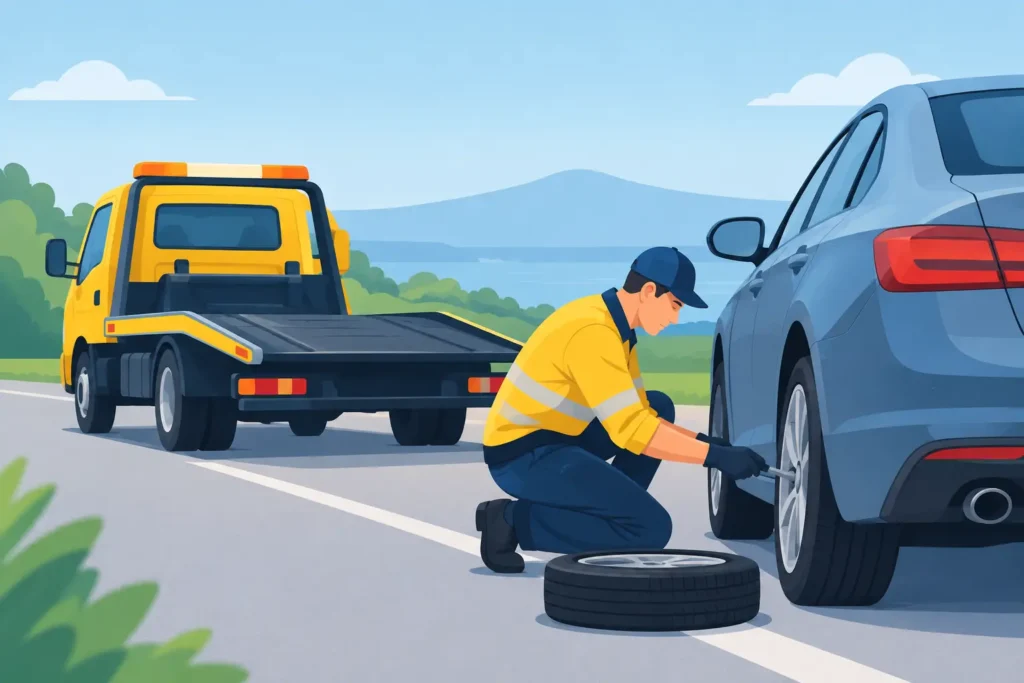
A roadside assistance service review matters most when you are stopped on the M4 with a warning light on, a flat battery outside Reading, or a van that will not restart before the next job. At that point, you do not need vague promises. You need to know who will answer, how quickly help can reach you, whether your vehicle can be moved safely, and what happens next.
The best recovery services make those answers clear before you ever need to call. For drivers across Berkshire, South Oxfordshire and nearby motorway routes, speed matters, but it is only one part of a dependable roadside service.
What a roadside assistance service review should reveal
A useful review is not just a collection of five-star ratings or a claim that a company is available 24/7. It should give you a realistic picture of how the service performs when the situation is stressful, inconvenient or technically difficult.
Look for comments about response times, clear communication and the care taken with the vehicle. A driver who has been recovered after a collision, transported with axle damage or helped after a late-night breakdown will usually remember whether the recovery operator arrived prepared and explained the plan properly.
Reviews are especially valuable when they mention the type of vehicle and problem involved. Recovering a family car with a flat tyre is different from moving a motorcycle, a loaded van, a non-runner or an electric vehicle. A provider that can handle a range of callouts is more likely to assess your situation correctly rather than trying to make one solution fit every job.
That said, no review can guarantee the exact experience you will have. Traffic, weather, road closures and your location all affect attendance. What reviews can show is whether a company communicates honestly when conditions change and keeps customers informed instead of leaving them guessing.
Fast response means more than arriving quickly
When your vehicle is stranded, every minute feels longer. On busy routes such as the M25, M4 and M3, a prompt response can reduce disruption and help you get away from a vulnerable roadside position sooner.
A stated arrival time is useful, but ask what it is based on. A local recovery operator with dedicated vehicles and knowledge of the surrounding roads can often give a more practical estimate than a distant call centre working from a broad national network. At Ozzy’s Breakdown Recovery, typical response times are stated as 30 to 45 minutes, subject to the location and conditions of the callout.
The right service will first establish where you are, whether you are in a safe place, the condition of the vehicle and whether passengers need support. This information is not a delay. It helps send the right recovery vehicle, equipment and operator from the start.
For a straightforward jump start, help may be quick and simple. For accident recovery or a vehicle with damaged wheels, the operator may need specialist loading equipment. A reliable company should explain that difference clearly rather than promise an unrealistic arrival or recovery method.
The right equipment protects your vehicle
Recovery is not simply about attaching a tow rope and heading off. Modern vehicles can have low ground clearance, automatic gearboxes, electronic parking brakes, damaged suspension or battery systems that require a more considered approach.
A proper service review should therefore pay attention to professional handling. Did the recovery team inspect the vehicle? Did they use suitable equipment? Was the vehicle secured correctly before transport? These details make a real difference, particularly after an accident or mechanical failure.
For non-runners and vehicles with axle damage, safe loading is essential. The same applies to motorcycles, which need secure transport that avoids unnecessary movement or damage. Van and light commercial recovery also calls for the correct capacity and planning, especially where tools, stock or time-sensitive work are involved.
Electric vehicle recovery deserves specific consideration. An EV may need transport because of a fault, a flat tyre, collision damage or low charge, but it should be dealt with by a team that understands the vehicle’s weight, recovery points and safe handling requirements. If you drive an EV, do not assume every roadside provider offers the same level of capability.
Fair pricing starts with a clear conversation
Breakdowns rarely happen at a convenient time, which is why unclear charges cause so much frustration. Before agreeing to a recovery, ask what the quoted price covers: attendance, roadside assistance, loading, mileage, delivery location and any additional work required.
The final cost can depend on the type of vehicle, the distance involved and the complexity of the recovery. A jump start on a local street will not be priced the same way as transporting an accident-damaged van from a motorway. That is reasonable, provided the difference is explained plainly.
Be cautious of a very low starting price with no detail behind it. The better option is a service that sets out the likely charge and flags possible extras before work begins. Fair pricing is not always the cheapest quote. It is the quote you can understand when you are under pressure.
Communication is part of the recovery
A stranded driver needs more than a recovery vehicle somewhere on the road. They need to know that help is actually on its way. A responsive operator should confirm your location, provide an expected arrival window and let you know if traffic or another emergency affects the estimate.
Good communication also means listening. Tell the team if you are carrying children, if the vehicle is in a difficult car park, if there is visible damage, or if you need to reach a particular garage or home address. Small details can prevent delays and help the recovery go smoothly.
For business drivers, this matters even more. A van off the road can mean missed appointments, delayed deliveries and lost income. Commercial recovery should be focused on getting the vehicle and driver to the right destination with as little downtime as possible.
Local coverage makes a practical difference
A recovery company does not need to be on every road in Britain to be useful. What matters is whether it has genuine coverage where you travel. Drivers in Berkshire, Reading, South Oxfordshire, Hampshire and Surrey benefit from a team that understands local routes, common congestion points and the motorway corridors that connect them.
If you regularly use the M4, M25 or M3, keep the number of a 24/7 recovery provider saved before a problem occurs. The same applies if you manage a small fleet, ride a motorcycle at weekends or depend on an electric vehicle for your commute.
When calling, be ready to give your location as accurately as possible, the registration and make of the vehicle, the fault or damage you can see, and your intended destination. If you are on a motorway, share the nearest marker post, junction or recognisable landmark where safe to do so.
When to call for roadside help
Call for assistance when the vehicle is unsafe to drive, will not start, has suffered collision damage, has a flat battery, has a tyre issue you cannot safely resolve, or has a warning fault that makes continuing a risk. Do not attempt improvised repairs on a live motorway or put yourself in danger trying to move a disabled vehicle.
If you are in immediate danger or your vehicle is creating a serious hazard, contact the emergency services first. Otherwise, a professional recovery service can assess the situation and arrange the safest route forward, whether that is a jump start, roadside support or transport to a garage, home or another agreed destination.
The real test of any recovery company is simple: when the road has stopped your plans, do they make the next step clear, safe and manageable? Save a dependable local number now, so if the unexpected happens, your first call can get you moving again.