


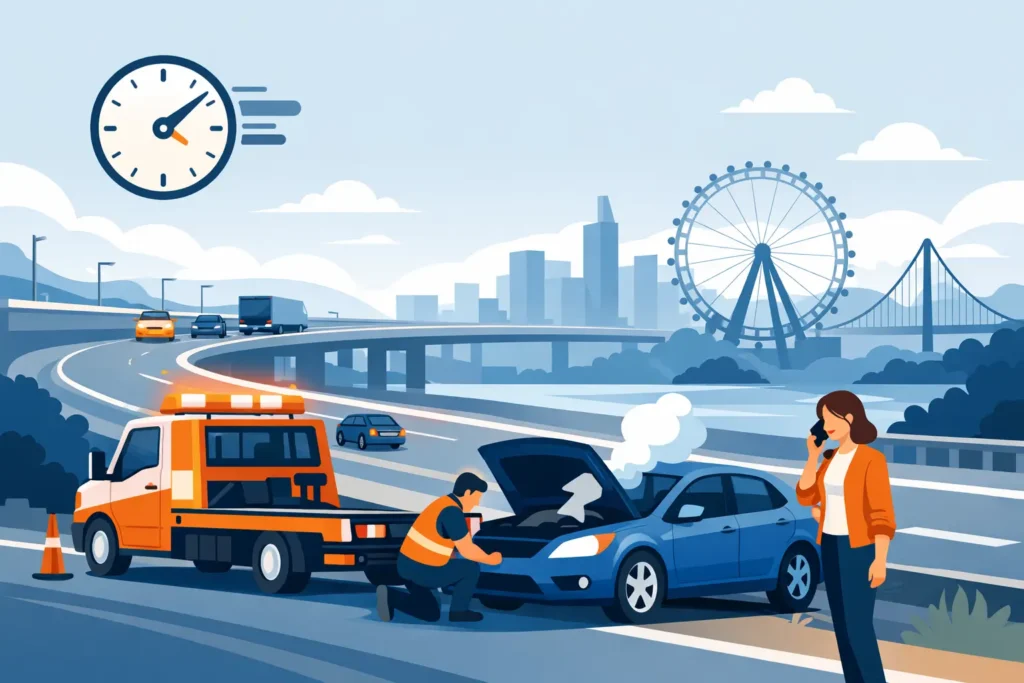
A breakdown on the M25 is never a small problem. Traffic is fast, hard shoulders are limited in places, and what starts as a warning light can quickly turn into a dangerous situation. When you need M25 breakdown recovery, the priority is simple – get yourself safe, get clear advice, and get your vehicle moved by a recovery team that knows how motorway callouts work.
The M25 does not give drivers much room for error. One puncture, battery failure, engine fault or collision can leave you stranded among heavy traffic with little time to think. That is why the right recovery service matters. You are not looking for vague promises or a delayed callback. You need a 24/7 team that answers the phone, gives you clear instructions, and gets moving straight away.
Why M25 breakdown recovery needs a fast response
Motorway breakdowns are different from breakdowns on local roads. On a quieter street, you may be able to wait safely in a lay-by or outside a property while help arrives. On the M25, the risks rise quickly. Fast-moving cars, lorries and vans create a far more exposed environment, especially during poor weather, darkness or peak traffic.
That is why speed matters, but so does handling the job properly. A rushed service with the wrong vehicle or poor motorway awareness can make the situation worse. Good recovery is about response time, yes, but it is also about safe loading, correct vehicle transport, and calm communication when the driver is under pressure.
For many motorists, the stress is not just about the vehicle. It is about being stuck with children in the car, missing work, losing delivery time, or trying to get home late at night. Commercial drivers feel that pressure even more because every hour off the road can cost money. A dependable recovery service understands that the real job is not only moving a broken-down vehicle. It is reducing disruption as quickly as possible.
What to do first if you break down on the M25
If your vehicle develops a fault, try to stay calm and act early. If you can feel power dropping, hear unusual noises, or see smoke or warning lights, do not keep driving in the hope it clears itself. If it is safe to do so, move to a safe place such as a service area or designated emergency area. If that is not possible, follow motorway safety guidance, put your hazard lights on, and focus on getting yourself and any passengers out of immediate danger.
Once you are safe, call for recovery and be ready to give your location as clearly as possible. The M25 is long and busy, so details matter. The closest junction, direction of travel, carriageway marker post, nearby gantry number, and your vehicle type can all help speed things up. If the car is not drivable, say so straight away. If there has been an accident or wheel damage, mention that too, because specialist equipment may be needed.
A good recovery team will also ask the right questions without overcomplicating things. They need enough detail to send the correct vehicle, not to waste your time. That is especially important for vans, motorcycles, non-runners, and electric vehicles, where transport requirements can differ.
The most common M25 callouts
The M25 sees every kind of roadside problem, from simple battery issues to serious accident damage. Some faults can be resolved at the roadside, while others need full transport to a garage, home address, depot or another destination.
Battery failures are common, particularly in colder weather or after a vehicle has been standing. Tyre damage is another frequent issue, especially when debris on the carriageway causes sudden punctures or sidewall damage. Engine overheating, clutch failure, electrical faults and alternator problems also appear regularly on motorway callouts.
Then there are the more difficult jobs. After a collision, a vehicle may have axle damage, steering damage, or bodywork that makes it unsafe to tow conventionally. Motorcycles need correct securing and transport methods. Vans and light commercial vehicles require the right recovery setup to avoid delays. Electric vehicles need handling that takes account of their weight and manufacturer guidance. This is where experience matters. Not every recovery job is a standard tow.
Choosing the right M25 breakdown recovery service
When you are stranded, it is tempting to ring the first number you find and hope for the best. But motorway recovery is one area where the cheapest or fastest-sounding option is not always the right one. The real question is whether the operator can deal with your exact situation properly and without delay.
Look for a service that is available 24/7 and used to working motorway routes. Clear communication is a strong sign. If the person on the phone sounds organised, asks practical questions, and gives you a realistic response window, that usually tells you a lot. If they are vague about timing or unsure about your vehicle type, that is less reassuring.
You also want a team that covers more than standard car recovery. Many motorway callouts involve vans, motorcycles, electric vehicles or damaged non-runners. A provider with the right equipment and trained operators can handle those jobs without needing to pass you elsewhere. That saves time and reduces stress.
For local drivers and businesses around Berkshire, South Oxfordshire and nearby motorway corridors, using a trusted operator with genuine M25 coverage makes a difference. A company like Ozzy’s Breakdown Recovery is built around urgent callouts, quick attendance and safe vehicle handling, which is exactly what motorway drivers need when plans go wrong.
M25 breakdown recovery for cars, vans, bikes and EVs
Not all vehicles fail in the same way, and not all need the same kind of recovery. Cars are the most common motorway callout, but even then the problem can range from a flat battery to accident transport. The recovery method depends on whether the fault can be resolved at the roadside, whether the car can roll freely, and where it needs to go next.
Van recovery often needs a more considered approach because of vehicle size, payload concerns and business urgency. A tradesperson, courier or fleet driver does not just need a tow. They need downtime kept to a minimum and a service that understands the pressure of missed work.
Motorcycle recovery is more specialist than many drivers realise. Bikes need secure loading and proper restraint to prevent damage in transit. Electric vehicle recovery brings its own considerations too. EVs are heavier than many equivalent petrol cars, and certain faults require careful handling rather than a quick roadside fix.
That is why it helps to use a provider with broad recovery capability, not a one-size-fits-all setup. On a road like the M25, the right kit and the right judgement save time.
What a professional recovery experience should feel like
When a driver calls for help from the side of the motorway, they do not want jargon. They want reassurance that someone is on the way and knows what they are doing. A professional recovery service should feel calm, direct and efficient from the first phone call.
You should know roughly when help is coming. You should know what happens next. And when the recovery operator arrives, the process should be handled safely and with care for both you and your vehicle. That means proper roadside awareness, clear instructions, and the equipment needed to load and transport the vehicle without causing extra damage.
There can be trade-offs. In severe traffic, response times may be affected. In some situations, police or traffic officers may control how and when a recovery takes place. In more complex accidents, the quickest arrival is not always the same as the quickest completion if the wrong vehicle has been sent. Honest communication matters here. Better to be told the real position than given promises that do not hold up.
For businesses, downtime on the M25 costs money
If you run vans or light commercial vehicles, a breakdown on the M25 is more than an inconvenience. It can disrupt deliveries, appointments, staffing and customer service in one hit. That is why commercial recovery needs a provider that treats urgency seriously.
A responsive service can help businesses protect schedules, move failed vehicles to the right repair point, and keep drivers informed rather than stranded. For fleet operators, reliability matters just as much as speed. You need to know that when your driver calls, the recovery process starts without confusion.
If your vehicle stops on the M25, the main thing is not to overthink it while sitting in a risky position. Get safe, give your location clearly, and call a recovery team that can act fast and handle the job properly. On a motorway this busy, peace of mind starts with knowing the right help is already on its way.