


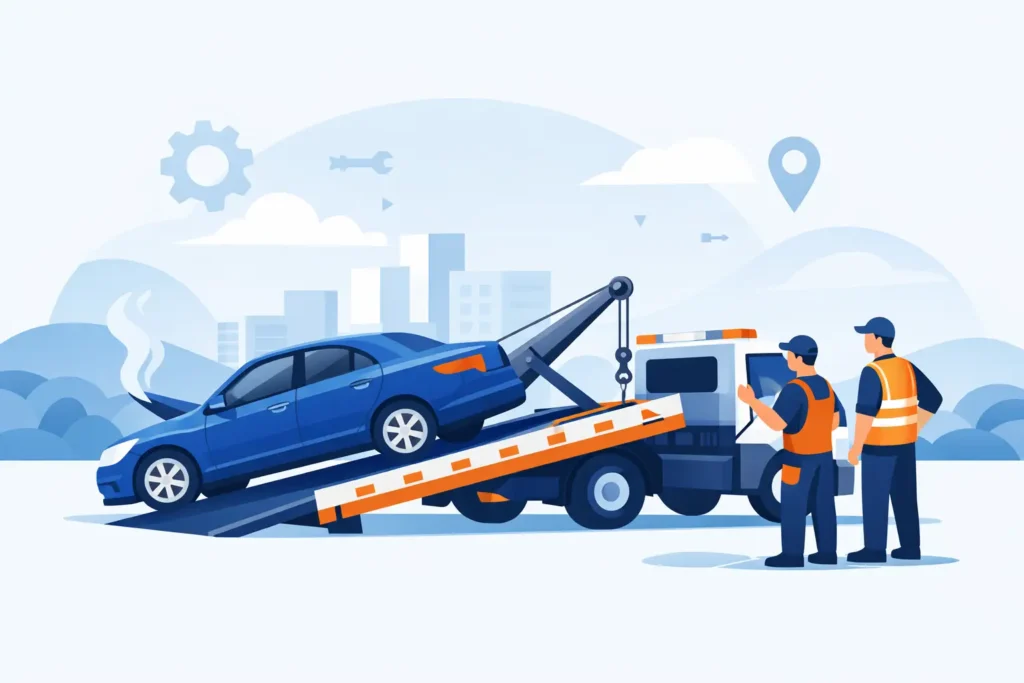
A car that will not start is frustrating enough on your drive. When it is stuck in a car park, outside work, at the roadside or on a motorway route, the problem becomes urgent very quickly. That is where non runner vehicle recovery matters. You do not need guesswork, delays or the wrong equipment. You need a recovery team that can get to you quickly, load the vehicle safely and move it without causing further damage.
What counts as non runner vehicle recovery?
Non runner vehicle recovery is the safe transport of a vehicle that cannot be driven under its own power. That might mean the engine will not start, the gearbox has failed, the battery is completely flat, the vehicle has been in an accident, or there is damage to a wheel, axle or suspension that makes driving unsafe.
Not every non-runner is the same. Some vehicles are mechanically sound apart from an electrical fault. Others have suffered impact damage or a serious mechanical failure that rules out a simple tow. The recovery method depends on the condition of the vehicle, where it is located and whether the wheels will roll freely.
This is why a proper assessment matters before loading starts. Sending the wrong lorry or using the wrong approach can waste time and create more stress when you are already stranded.
When roadside assistance is not enough
A jump start or a quick roadside fix is often the best outcome, but sometimes it is not the right one. If the car starts and then immediately cuts out, if warning lights point to a deeper fault, or if there is visible damage underneath, trying to drive it can make a bad situation worse.
The same applies after an accident. Even if the vehicle looks drivable, hidden damage to steering, brakes or suspension can make it dangerous to move on the road. A professional recovery operator will always weigh up safety first. It is better to transport the vehicle properly than risk another breakdown a few miles later.
For vans and light commercial vehicles, the stakes are even higher. Downtime costs money, missed deliveries affect customers, and a rushed decision can turn a repairable issue into a more expensive one. Planned recovery is often the most sensible option.
Why the right equipment makes a difference
Non runner vehicle recovery is not just about attaching a strap and pulling. Modern vehicles, low-clearance cars, damaged motorcycles, electric vehicles and axle-damaged vans all need the correct handling equipment.
A professional recovery vehicle should be set up to load non-runners without dragging them across the ground or putting strain on already damaged parts. Winching, skates, specialist lifting gear and secure tie-down points all play a part. If a vehicle has locked wheels, collapsed suspension or accident damage, experience matters just as much as equipment.
This is where a local, dedicated service stands out. A team that handles these jobs every day knows how to work in tight spaces, awkward roadside positions and busy motorway environments without adding delay.
What to expect when you call for non runner vehicle recovery
The first thing a good recovery company will want is clear information. Your location comes first, followed by the vehicle type and what has gone wrong. If you can say whether the car will steer, whether the wheels move, or whether there has been a collision, that helps the operator send the right vehicle from the start.
You should also expect a realistic arrival time, not vague promises. When you are stuck, especially at night or in poor weather, communication matters nearly as much as speed. Knowing help is on the way reduces a lot of stress.
Once on scene, the recovery operator should assess the vehicle, explain the loading process and confirm the destination before transport begins. That could be your home, a garage, a body shop or another safe location. The process should feel calm, professional and organised, not rushed.
Common situations where recovery is the safest choice
A lot of non-runners come down to a handful of common problems. Engine failure is one. Battery and electrical faults are another, though some can be fixed on site. Accident damage is a major reason too, especially when steering or suspension has been affected.
There are also less obvious cases. A snapped spring, severe clutch failure, seized brakes or gearbox issues can leave a vehicle technically intact but not safely driveable. Flat tyres usually sound simple, but if the wheel or tyre has been damaged badly enough, roadside repair may not be possible.
Then there are specialist cases such as motorcycles, electric vehicles and vehicles with axle damage. These need a recovery team that understands the differences. EVs, for example, should be handled with care and the correct transport method, particularly if the fault is electrical or the vehicle has been in an impact.
Local roads, motorways and awkward recovery locations
Recovery in Berkshire, South Oxfordshire and surrounding routes is not the same as collecting a car from a quiet residential street every time. A breakdown near the M4, M3 or M25 can become a safety issue very quickly. Traffic volume, narrow hard shoulders and restricted stopping areas all change the job.
Speed matters in these locations, but so does control. The vehicle needs to be loaded efficiently, with proper warning measures in place and a clear plan for getting back into traffic. Equally, not all difficult recoveries happen on major roads. Underground car parks, tight retail parks, rural lanes and blocked driveways can all create access issues.
That is why local knowledge helps. A recovery team familiar with the area can often reach you faster and plan the safest route for removal and onward transport.
Choosing a recovery service when your vehicle will not move
When you are stranded, it is tempting to call the first number you see. That is understandable, but there are a few things worth checking. Availability is the first one. If the vehicle cannot move now, you need a company that actually offers 24/7 support, not one that only looks available online.
After that, look for clear communication, proper vehicle coverage and confidence in handling more than standard breakdowns. Non-runner recovery is not the same as a routine tow. If your vehicle has wheel damage, accident damage or is a van, bike or EV, the provider should be able to deal with that without hesitation.
It is also fair to ask where the vehicle can be taken and whether the operator can recover from your exact location. A motorway, private car park or restricted access road may require a different approach. Straight answers matter.
Why professional handling can save you money
Some drivers try to solve a non-runner problem with informal towing or by moving the vehicle in a way that is not suited to its condition. That can end badly. Dragging a car with damaged suspension, towing an automatic incorrectly, or trying to roll a vehicle with brake or axle issues can add repair costs very quickly.
Professional recovery is about protecting the vehicle as much as transporting it. Secure loading, correct lifting and proper tie-downs reduce the risk of added damage during transit. If the destination is a garage, that means the vehicle arrives in the same condition it was collected in, without new problems created on the way.
For businesses, that protection is practical as well as financial. A fleet van off the road is already a problem. Further damage from poor transport only extends the downtime.
Fast response still needs to be careful response
Drivers usually want one thing first – someone to get there quickly. That is absolutely right. But fast should not mean careless. The best recovery services combine a quick response with a methodical approach once they arrive.
That balance is what gives people confidence. You want a team that understands urgency, turns up prepared and then handles the vehicle properly. Whether the job is a simple home pickup or a difficult roadside recovery, professionalism shows in the details.
For motorists across Berkshire and nearby routes, that is exactly what a dependable local operator should provide. Companies such as Ozzy’s Breakdown Recovery build trust by doing the basics well: answering the phone, arriving when promised, loading safely and getting the vehicle where it needs to go without fuss.
If your car, van, motorcycle or EV will not move, the main thing is not to force it. Get it recovered properly, get it checked properly, and give yourself one less problem to worry about today.